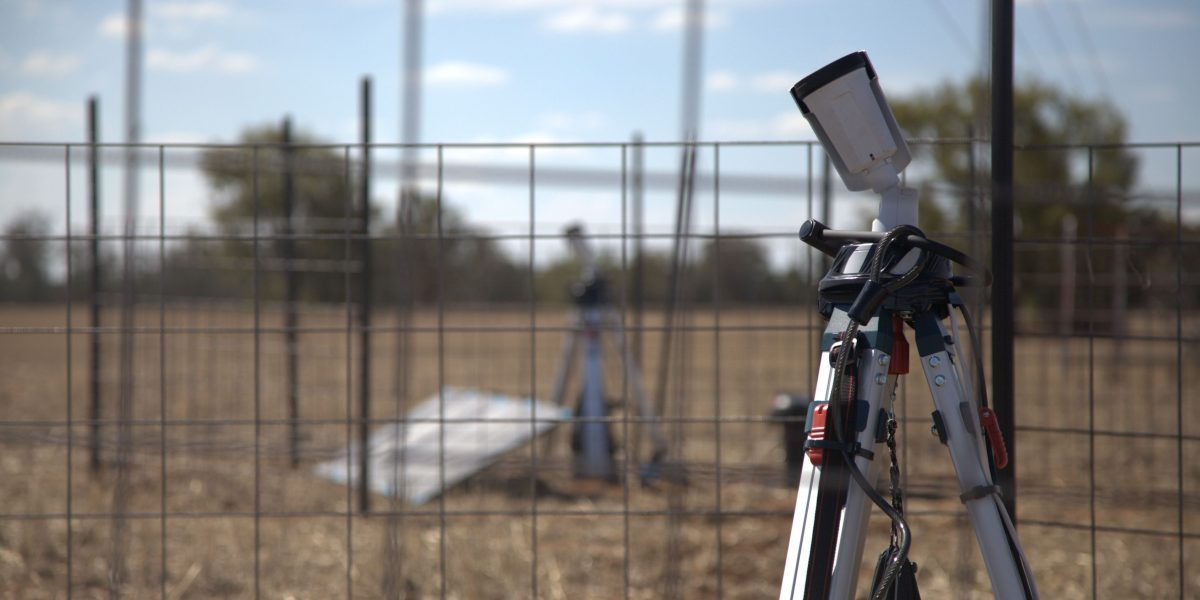
Biosis Uses Thermal Imaging & AI to Assess Microbat Collision Risk at Wind Farms
Biosis, part of APEM Group and one of Australia’s leading specialist ecology companies working in the wind farm sector, delivered...

Offshore wind in Australia is gaining momentum, but the path to approval is not straightforward.
From navigating evolving regulatory frameworks to managing environmental sensitivities and stakeholder expectations, the challenges are complex and interconnected. That’s where APEM Group comes in.
We bring deep local knowledge, global experience, and cutting-edge environmental science to help our clients overcome these hurdles. Whether it’s delivering robust marine mammal data, designing effective mitigation strategies, or supporting full EIA/EES processes, we provide the clarity and confidence needed to move projects forward.
Explore how we’re helping shape the future of offshore wind in Australia, through insight, innovation, and trusted partnerships.
A Growing Sector Facing Complex Realities
Across Australia and the wider Asia–Pacific region, offshore wind is shifting from ambition to action. Governments are defining development zones, feasibility licences are being issued, and international developers are exploring large areas of coastline.
Read More
Biosis, part of APEM Group and one of Australia’s leading specialist ecology companies working in the wind farm sector, delivered...
A Growing Sector Facing Complex Realities Across Australia and the wider Asia–Pacific region, offshore wind is shifting from ambition to...

APEM Group is proud to showcase our partnership with GHD on JERA Nex bp’s proposed Blue Mackerel Offshore Wind Project, a...
Get hand-picked content from our subject matter specialists. Sign up to receive relevant updates, resources, and ideas that help you and your organisation.
We're here to help. Whether you're looking for tailored insights, support with a project, or just want to explore how we can work together, contact our team today.
Other Sector Specific News