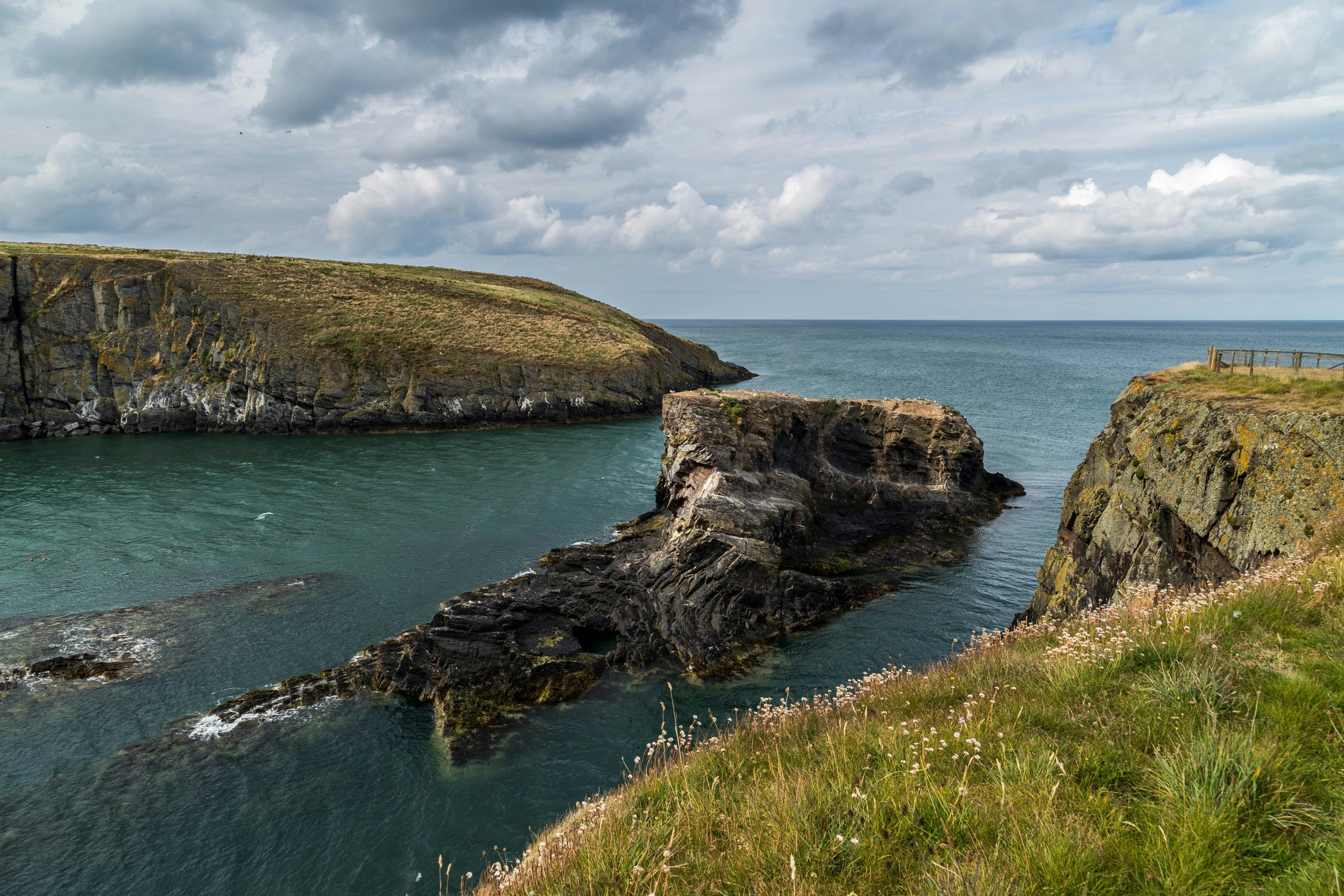
APEM appointed to support Port of Neath maintenance dredging programme
APEM, through its specialist consultancy, GoBe Consultants Ltd (GoBe), has been appointed by Neath Port Authority (NPA) to provide environmental...

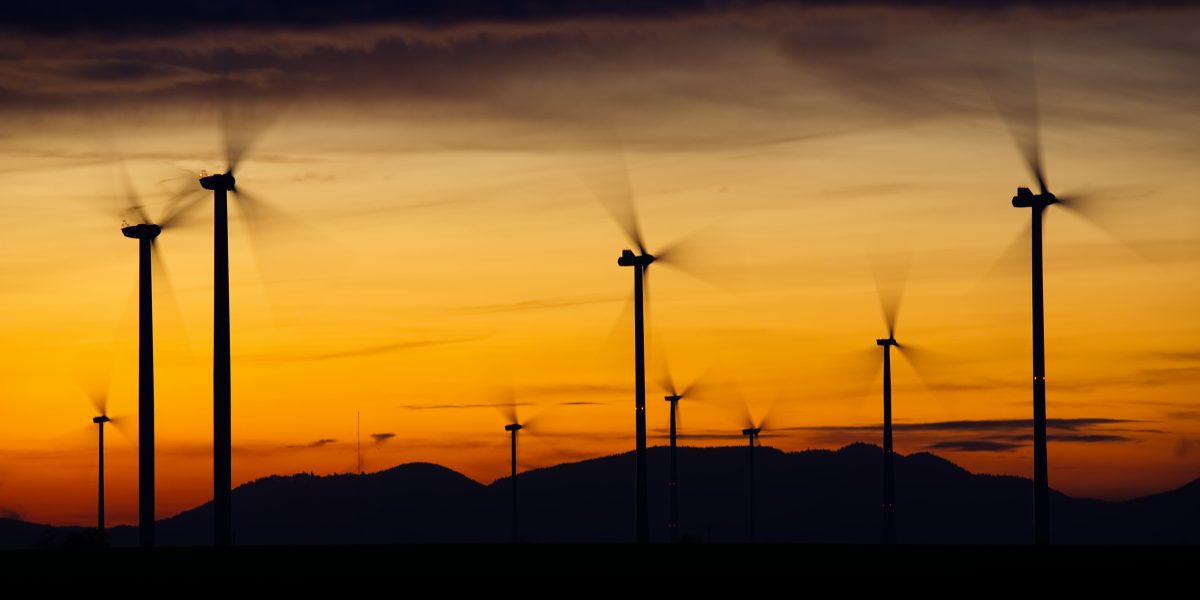
How early landscape and visual assessment helps developers reduce consenting risk, optimise design and build more resilient renewable projects.
The UK’s and Irelands onshore renewable pipeline has never been stronger. Wind, solar and battery energy storage projects are growing in scale, while planners are under pressure to accelerate delivery and protect the character of the places where infrastructure is built.
For developers, that creates a familiar challenge: how do you design projects that are technically viable, commercially deliverable and capable of securing consent?
This is where Landscape and Visual Impact Assessment (LVIA) adds value. It’s far more than a planning report – it’s a design and decision-making tool that helps teams identify lower-risk sites, optimise layouts and result in robust, well-considered developments that are sympathetic to their receiving landscape.
By the time a planning application is submitted, many of the biggest decisions have already been made. Site boundaries are defined, layouts are established and engineering constraints have shaped the proposal.
If landscape and visual impacts are only considered at this stage, opportunities to improve the scheme are often limited.
Bringing LVIA into the feasibility stage allows developers to assess how a project will relate to its surroundings before designs become fixed. Combined with geospatial intelligence, ecology and planning constraints, it provides a clearer picture of where development is most likely to succeed.
The result is fewer late-stage redesigns, greater programme certainty and stronger investment confidence.
One of the fastest-growing challenges in renewable development is cumulative visual impact.
Planning authorities are increasingly assessing new proposals alongside existing, consented and proposed wind farms, solar arrays, substations and transmission infrastructure. The question is no longer whether an individual project is acceptable, but how multiple developments interact across a wider area.
Developers who understand these cumulative relationships early are better equipped to defend design decisions, anticipate stakeholder concerns and navigate the consenting process with greater confidence.
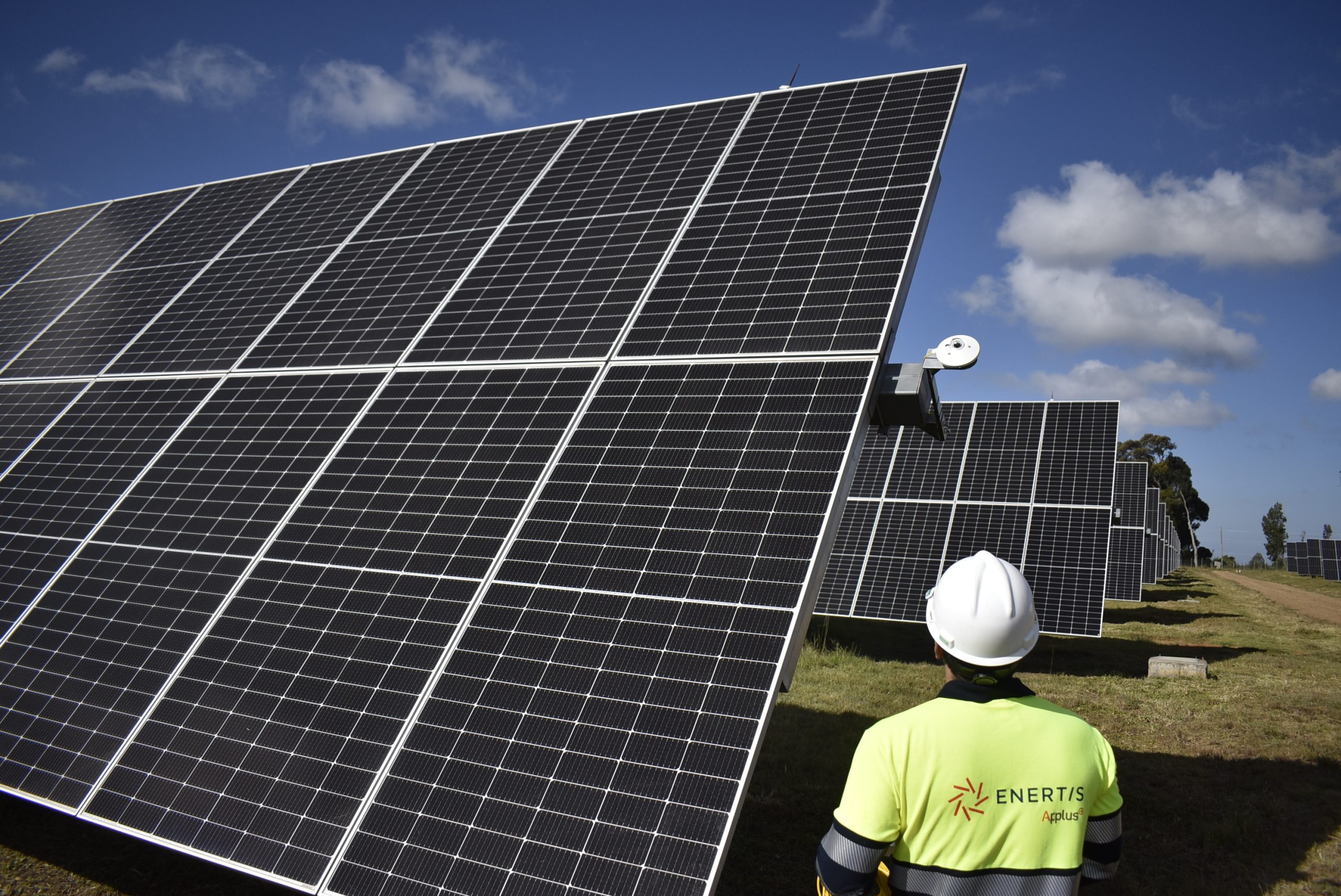
A technically suitable location can quickly become a high-risk development if it overlooks sensitive receptors, sits within a valued landscape character area, or contributes to cumulative visual impacts alongside existing infrastructure. By the time these issues emerge during planning, redesigns are expensive and programme certainty begins to erode.
Early landscape intelligence helps answer critical questions before significant investment is committed:
The strongest LVIAs are no longer standalone assessments. They combine geospatial modelling, landscape character analysis, visual simulation and planning expertise to inform better decision-making from site selection and consenting through to operation, repowering and decommissioning.
In an increasingly competitive consenting environment, better evidence creates a measurable commercial advantage.
As renewable infrastructure continues to transform the UK and Ireland, success will increasingly depend on designing projects that work for both energy systems and the places they become part of.
While LVIA delivers the greatest value during site selection, design and consenting, landscape expertise remains an important consideration throughout the renewable project lifecycle. As an integrated environmental consultancy, APEM supports developers from initial feasibility through to operation, repowering and eventual decommissioning.
Across the project lifecycle, our specialists provide support for:
By combining landscape planning with expertise in ecology, geospatial intelligence, planning, arboriculture and wider environmental disciplines, APEM helps clients make informed decisions throughout the lifespan of renewable infrastructure assets.
Whether you're assessing potential sites, refining a wind or solar layout, or preparing for consent, our landscape planning and visual assessment specialists help developers reduce risk through evidence-led design and robust planning support. Sign up to our mailing list to find out more.
APEM, through its specialist consultancy, GoBe Consultants Ltd (GoBe), has been appointed by Neath Port Authority (NPA) to provide environmental...
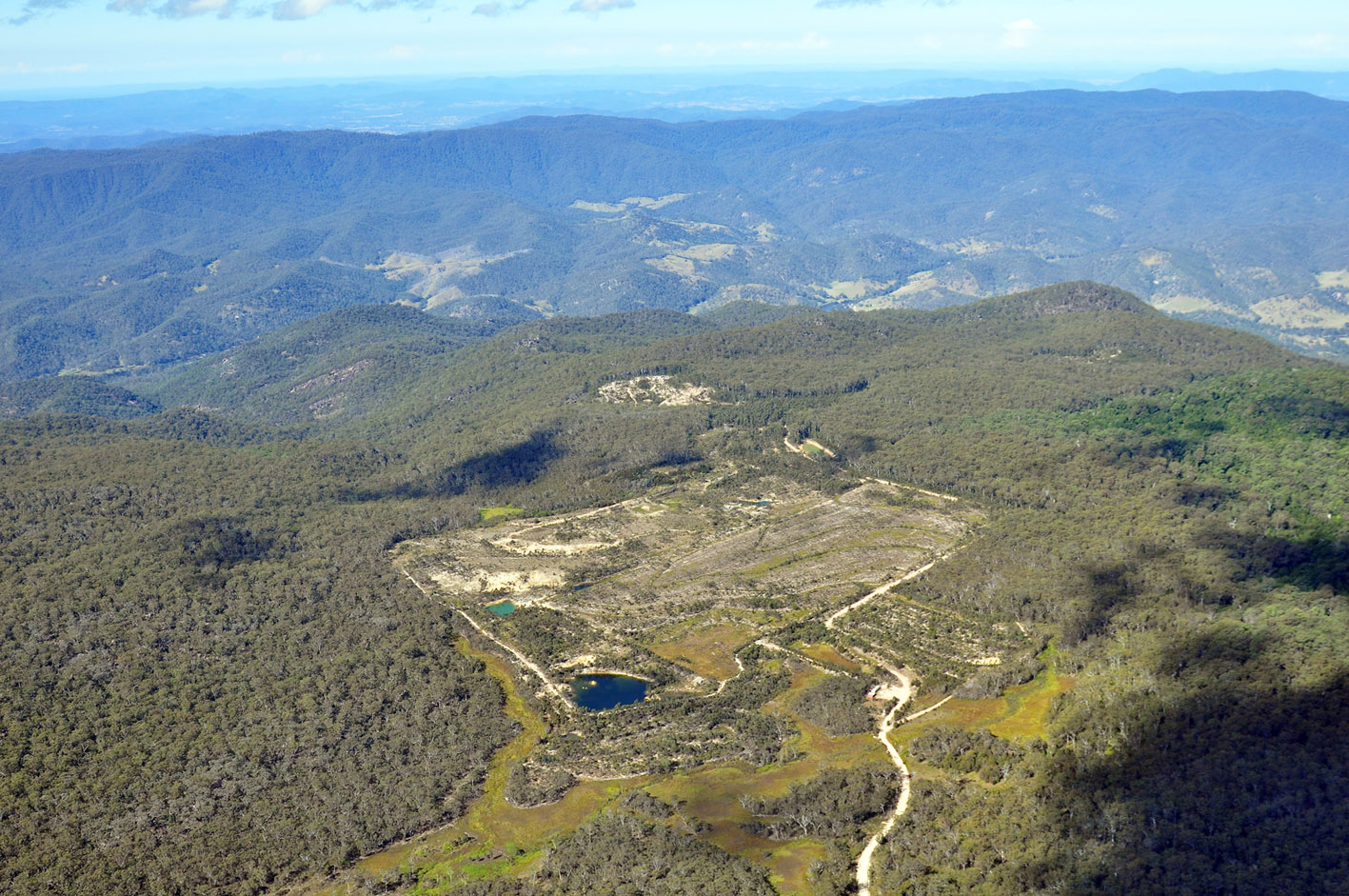
Proposed transaction supports APEM’s continued investment in Australia and remains subject to regulatory approval and customary completion conditions.

Linear infrastructure projects are rarely straightforward. A pipeline, power connection, transport corridor or cable route can span tens of kilometres,...