
Future-Proofing Vessel Traffic Services for the UK’s Busiest Port
NASH Maritime, part of APEM Group, supported the Port of London Authority (PLA) in developing a comprehensive specification for its next-generation Vessel Traffic...


UK ports are under pressure. The expansion of offshore wind, evolving environmental regulations, and increasing diversity of cargo and vessel sizes are exposing critical gaps in infrastructure, planning, and operational resilience. Many ports lack the strategic planning frameworks needed to respond effectively, while legacy land use decisions and regulatory complexity continue to stall progress.
To remain competitive and compliant, ports need to evolve quickly and intelligently. That means integrating environmental modelling, optimising port operations, whilst maintaining navigational safety, and stakeholder engagement from the outset.
Many of the UK’s ports were designed for a different era – one where fossil fuels dominated, cargoes were predictable, and land use decisions were made with little thought for future expansion. Today, those same ports are being asked to accommodate floating wind farms, manage complex marine logistics, and meet stringent environmental standards, all whilst dealing with greater throughput and often larger vessels.
Take Rosslare Europort, for example. Once a conventional ferry hub, it’s now being transformed into Ireland’s offshore wind gateway. APEM Group, through NASH Maritime, delivered a comprehensive Navigation Risk Assessment, covering construction, operation, and decommissioning phases. This included AIS data analysis, ship bridge simulations, and stakeholder consultation, ensuring safe navigation and future-ready infrastructure.

Rosslare ORE Hub
“Early consideration of shipping and navigation constraints is critical to optimising port operations and navigational safety, ultimately reducing consent, construction and operations risks. By assessing the magnitude of navigation risk, we can identify suitable mitigation options at an early stage of the design process.”
– Sam Anderson-Brown, Associate Director (Ports and Harbours) – NASH Maritime.
Environmental and regulatory pressures are intensifying. Ports now need to navigate marine consents, licensing regimes, and environmental impact assessments. With climate resilience and biodiversity protection climbing up the agenda, the stakes have never been higher.
This is where data becomes a strategic asset. APEM’s hydrodynamic modelling, sediment transport analysis, and water quality simulations provide the evidence base ports need to secure approvals and build sustainably. For example, AQUAFACT, part of APEM Group, models the effects of new port infrastructure on water levels, current pattern changes and sediment movements that have guided sustainable port development across multiple sites in Ireland, including the redevelopment of Galway Harbour and Killybegs Harbour, for example.
Numerical simulations, such as hydrodynamic, sediment transport, and plume dispersion modelling, inform optimal port design by predicting hydrographical changes and environmental impacts, reducing uncertainty and lowering the risk of consent delays.
Outputs from these models can inform the design of structures that minimise interference with natural water flow and help prevent unintended outcomes such as flooding, accelerated erosion, sediment build-up, and harm to nearby sensitive habitats.

Vessel Activity Modelling
Land use conflicts are another growing concern. Past decisions, like selling off waterfront land for residential development, now limit expansion and create friction. Meanwhile, the rise of offshore wind brings new navigational hazards, from turbines to subsea cables, demanding robust safety protocols and real-time monitoring.


“Real-time monitoring and Internet of Things (IoT) integration are fundamentally reshaping maritime safety by providing constant, data-driven insight into vessel traffic management, environmental conditions, and potential hazards. This shift replaces reactive traffic management with proactive, predictive strategies, significantly reducing the risk of incidents, accidents, environmental damage.”
– Bruce Mills, Associate Director (Technology & Software) – NASH Maritime.
Discover how APEM Group, through NASH Maritime, is using AI to identify vessels from CCTV footage
The transformation of UK ports isn’t just a technical challenge; it’s a collaborative one. It requires port authorities, planners, regulators, developers, and communities to work together, guided by evidence and aligned by purpose.
At APEM Group, we’re proud to be part of that journey. By bringing together environmental science, maritime expertise, and cutting-edge analytics, we help ports not only respond to change but lead it.

Get hand-picked content from our subject matter specialists. Sign up to receive relevant updates, resources, and ideas that help you and your organisation.
We're here to help. Whether you're looking for tailored insights, support with a project, or just want to explore how we can work together, contact our team today.
NASH Maritime, part of APEM Group, supported the Port of London Authority (PLA) in developing a comprehensive specification for its next-generation Vessel Traffic...
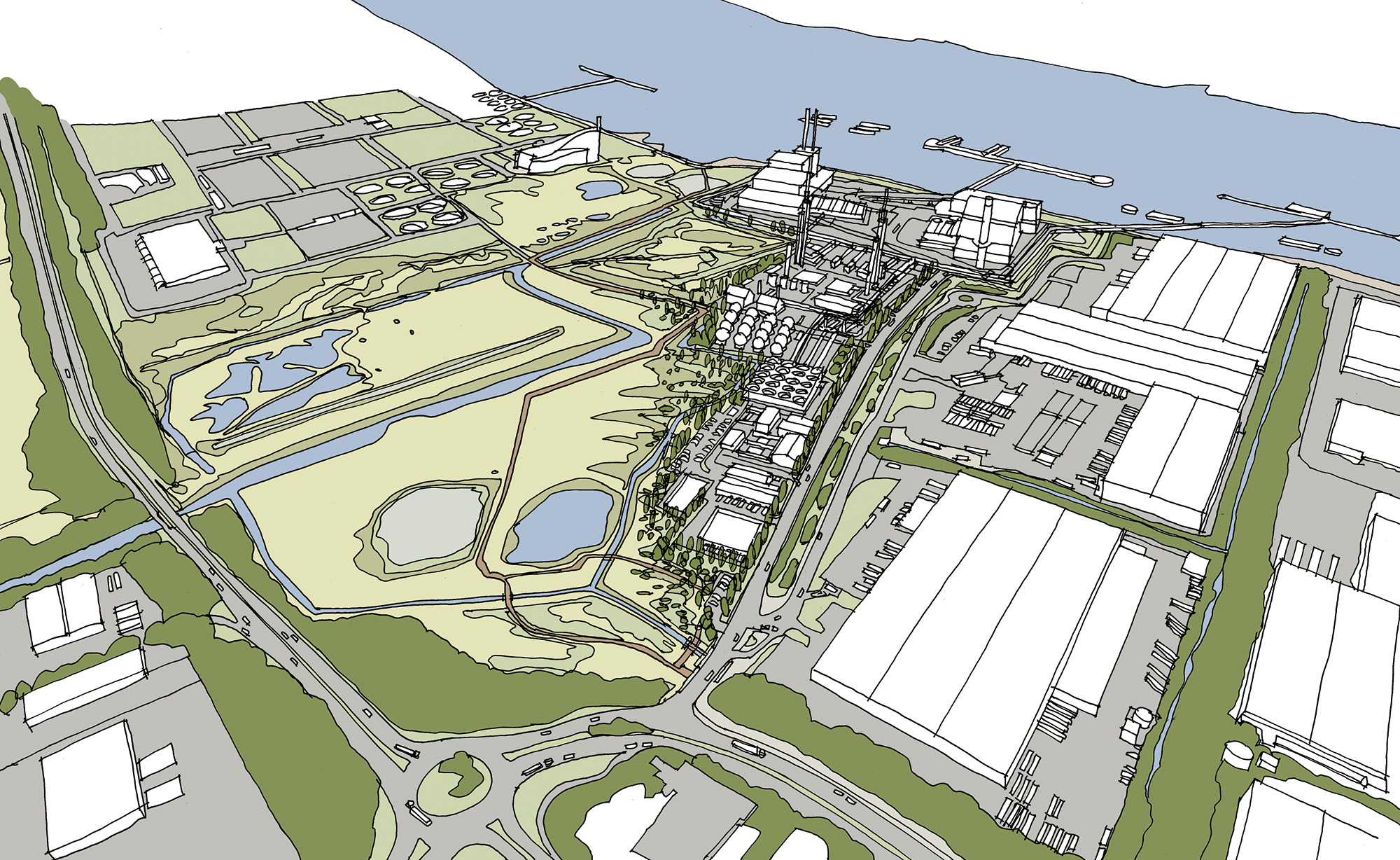
NASH Maritime, part of APEM Group, supported Cory Group’s ambition to become net zero by 2040 through its involvement in...
Explore APEM Group’s expert-led guide to securing consents, reducing risk, and ensuring compliance.