Developing a Marine Biosecurity Plan for the Stour and Orwell Estuaries
APEM Ltd., part of APEM Group, supported the development of the new Marine Biosecurity Plan created to protect the Stour...

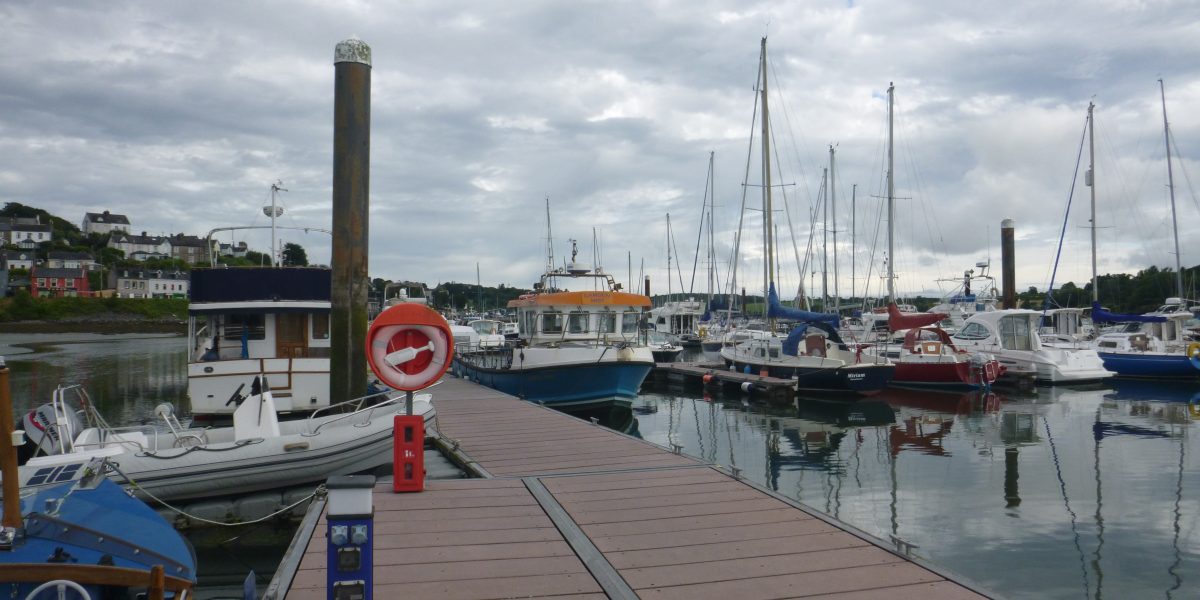
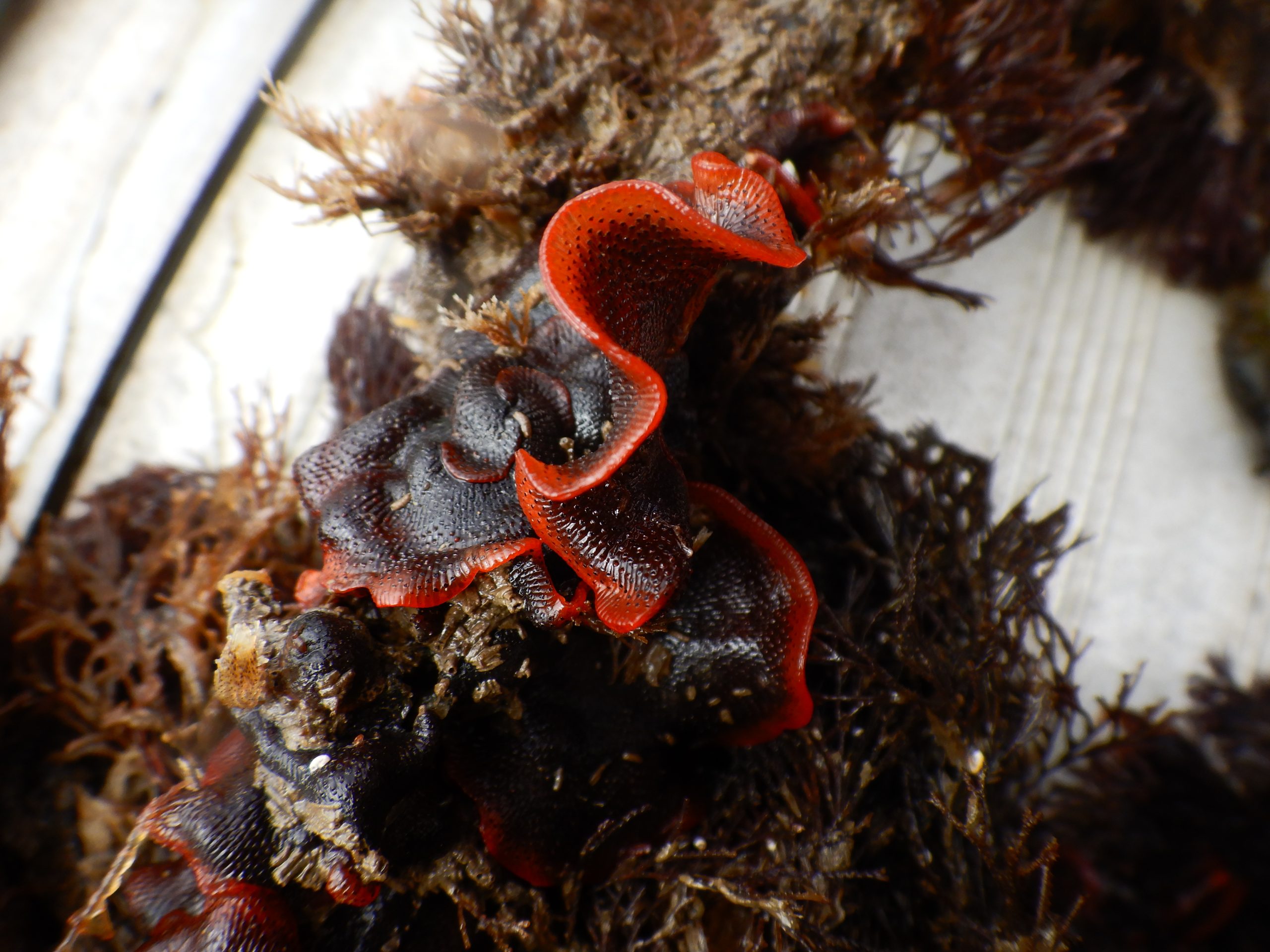
APEM Group was commissioned by Ireland’s National Parks and Wildlife Service (NPWS) to deliver a nationwide programme of marine invasive non‑native species (INNS) surveys across 23 marinas. This work builds on surveys completed by APEM in 2021 and forms a critical part of Ireland’s national approach to biodiversity protection, biosecurity, and the management of invasive species.
Marine INNS are a growing concern globally, driving biodiversity loss and creating ecological, social, and economic impacts. Understanding where these species occur, and how their presence changes over time, is essential for compliance with key EU biodiversity and invasive species legislation, including:
APEM was appointed to repeat Rapid Assessment Surveys (RAS) at marinas across Ireland to identify marine INNS, assess abundance, and track changes. The findings will help NPWS strengthen management approaches, refine biosecurity planning, and meet regulatory obligations.
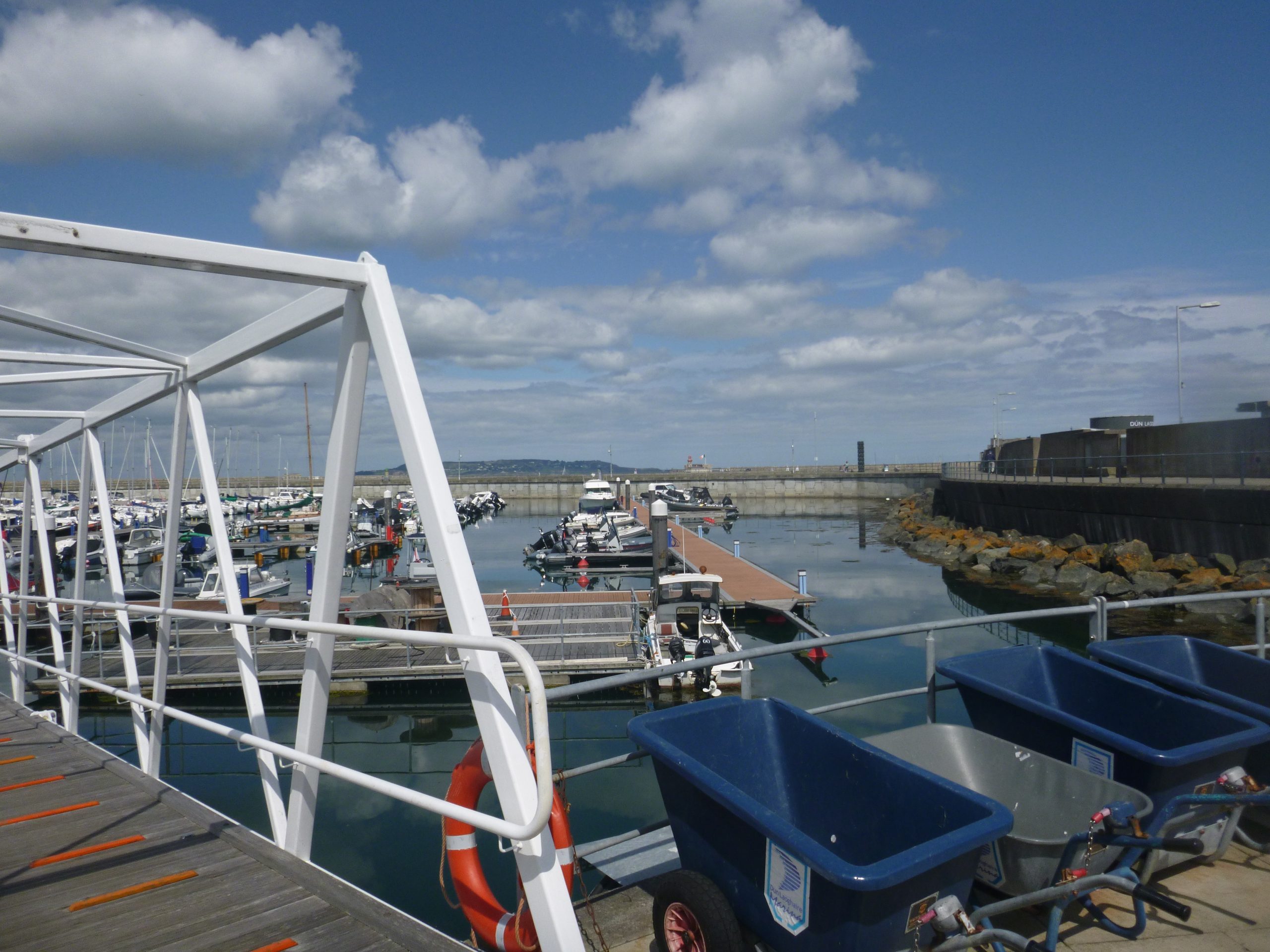
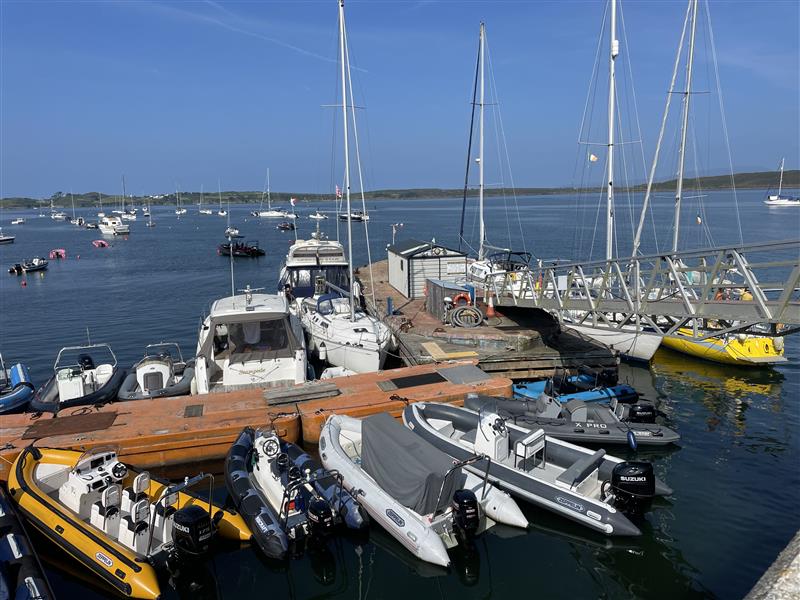
Marinas are recognised hotspots for the introduction and spread of invasive marine species due to vessel movement and the availability of suitable substrate for colonisation. Repeat monitoring is essential to detect new arrivals early and identify shifts in species distribution.
APEM’s most recent survey programme provided an updated national picture of marine INNS in Irish marinas. When compared to the 2021 baseline, the new dataset showed:
This evidence base will support national decision-making and future policy development.
Survey coverage:
Results:
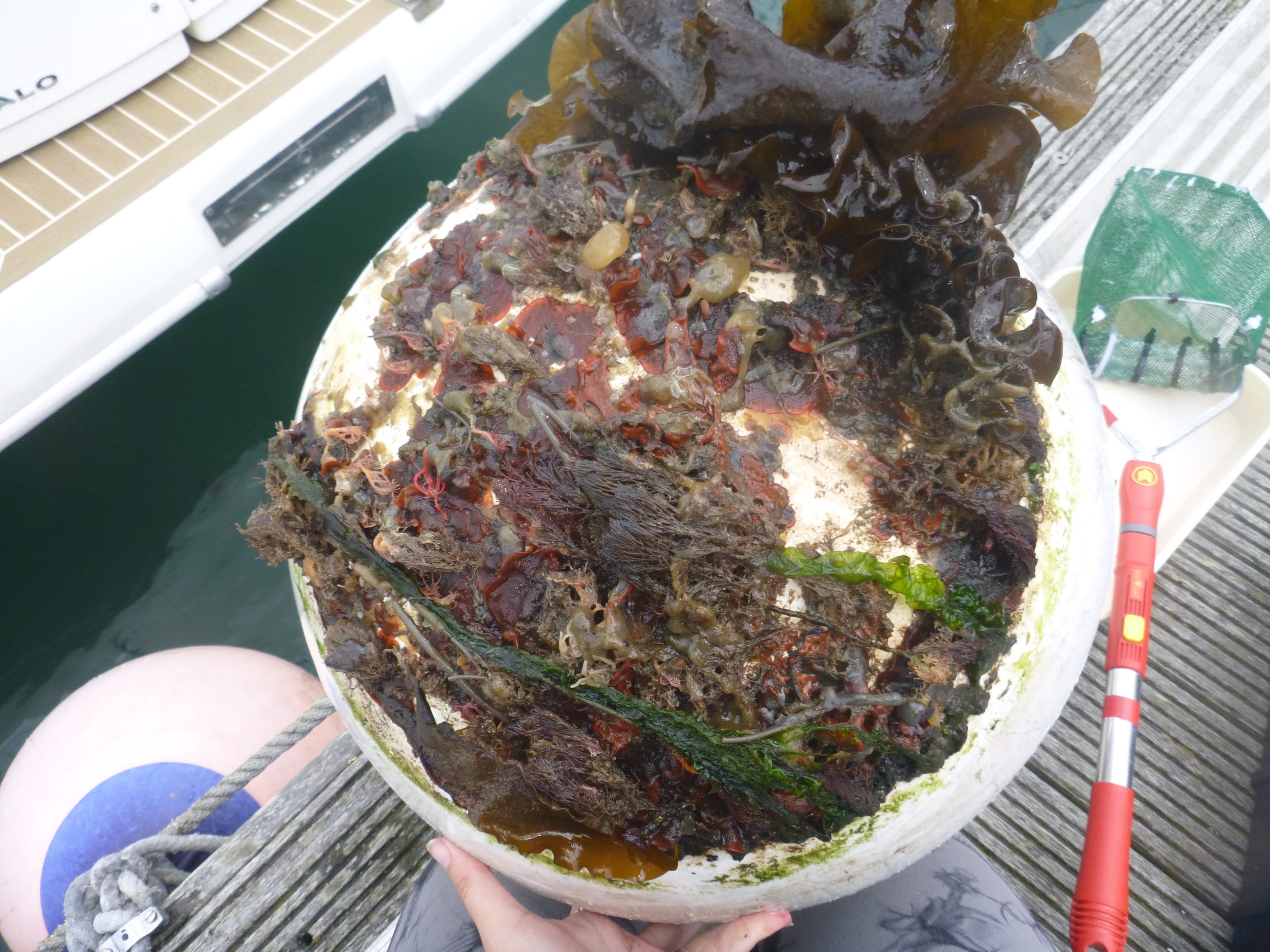
Delivering a consistent, nationwide survey programme required flexibility and careful coordination. Key challenges included:
The project brought together specialists from across APEM Group, combining the expertise of the INNS teams with the taxonomic proficiency of Marine BioLabs and the in‑country field knowledge provided by Aquafact.
The team applied the RAS methodology, inspecting submerged structures such as pontoons, ropes, and fenders for marine INNS. Samples were collected for laboratory analysis to confirm challenging identifications and ensure scientifically robust results.
While the survey approach followed established methods, the final report included recommendations for:
APEM Group delivered a high‑quality, scientifically robust survey programme that provides us with vital insight into the status and spread of marine invasive species across Ireland’s marinas. Their teams were flexible, professional, and collaborative throughout, ensuring consistent data collection despite challenging site conditions. The findings will directly support our national approach to biodiversity protection and help strengthen Ireland’s biosecurity measures into the future.
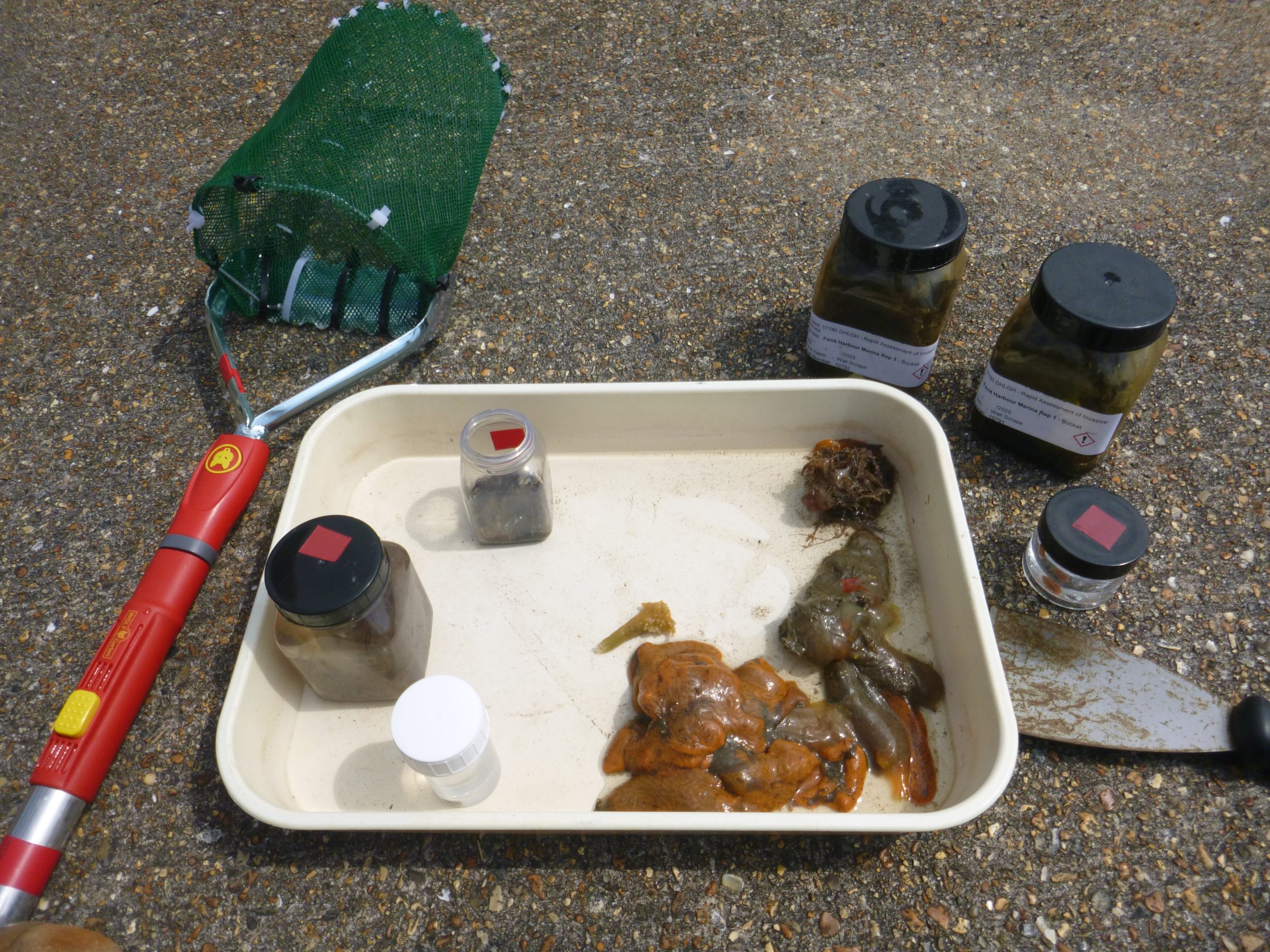
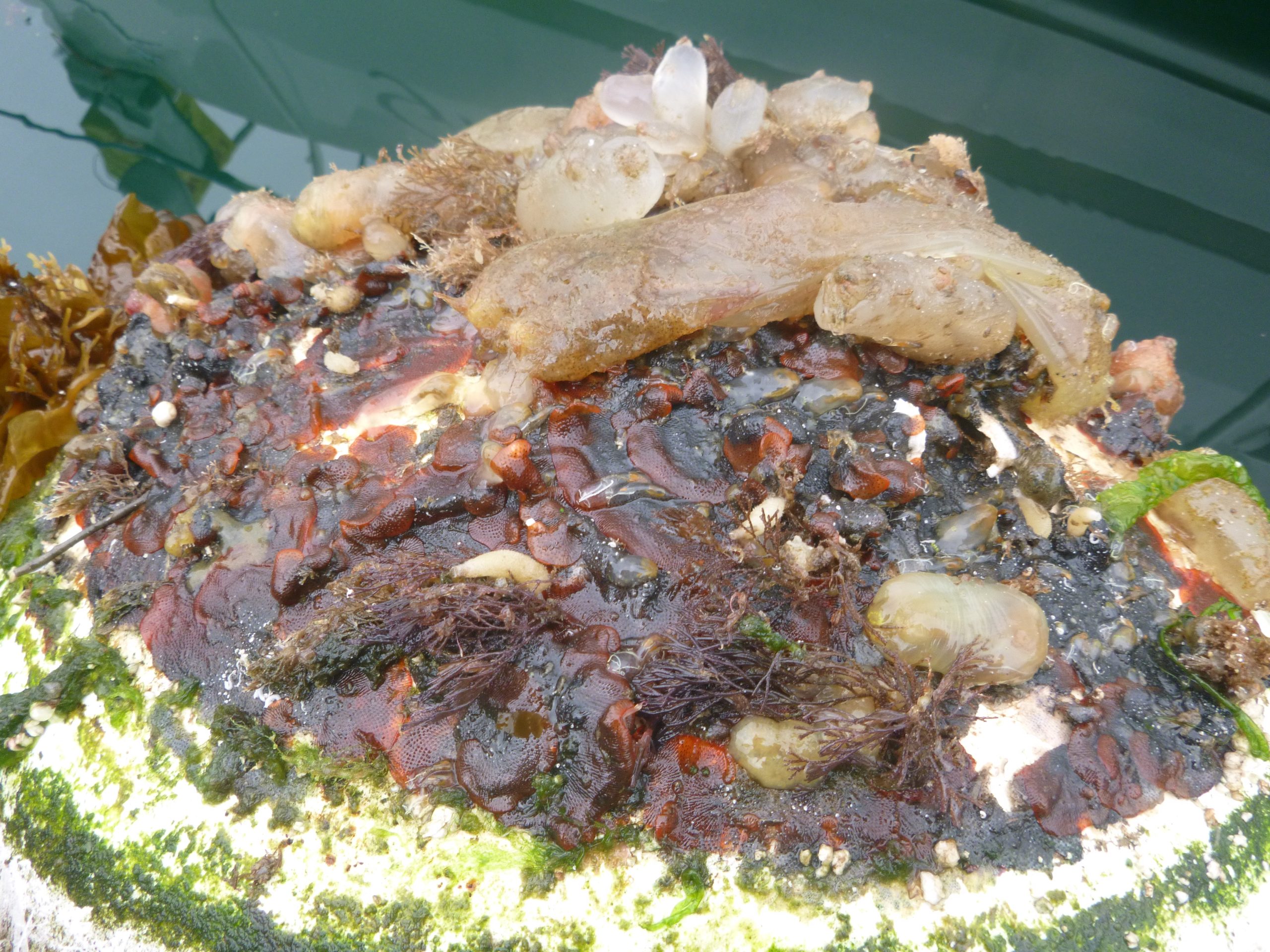
APEM’s collaborative and flexible approach ensured consistent data collection across diverse marina environments. Strict biosecurity protocols were implemented to prevent species transfer between sites, and the team raised awareness of marine INNS through professional engagement with marina users. This work provided NPWS with high-quality data to support regulatory compliance and long-term management planning.
This project demonstrates APEM Group’s expertise in marine invasive species monitoring and our ability to support national regulators with robust scientific evidence. By providing early detection of INNS and clear insights into temporal and spatial shifts in species’ occurrence, APEM helps reduce future management costs, strengthen policy development, and protect Ireland’s native marine habitats.
For organisations interested in INNS monitoring, biosecurity planning, or marine ecology assessments, APEM offers specialist knowledge and deep technical capability.
All images © National Parks and Wildlife Service (NPWS)
Get hand-picked content from our subject matter specialists. Sign up to receive relevant updates, resources, and ideas that help you and your organisation.
We're here to help. Whether you're looking for tailored insights, support with a project, or just want to explore how we can work together, contact our team today.
APEM Ltd., part of APEM Group, supported the development of the new Marine Biosecurity Plan created to protect the Stour...

APEM Ltd., part of APEM Group, was commissioned by Assystem Energy (on behalf of Gardiner & Theobald LLP) to assess...

In a first-of-its-kind initiative for the Channel Islands, APEM Group delivered a comprehensive marine biosecurity strategy for the States of...