
Biosecurity Planning Safeguards Port of Cromarty Firth from Marine INNS Risks
APEM Group’s Marine Consultancy and Invasive Non-Native Species (INNS) teams collaborated with the Port of Cromarty Firth (PoCF) in Scotland...

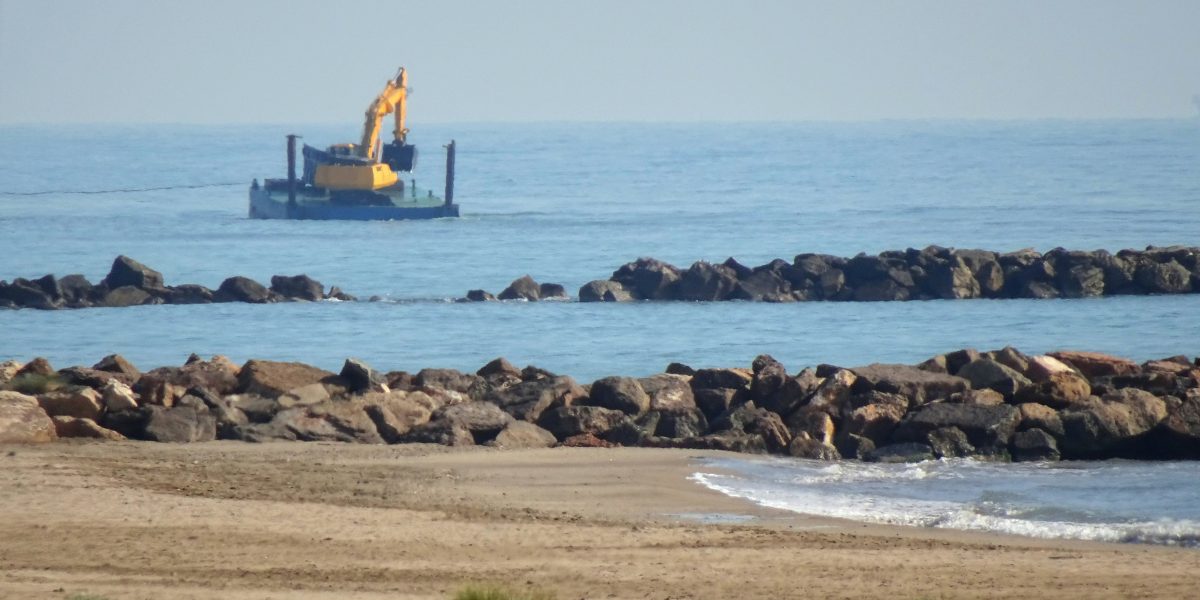
APEM Group supported Natural England with a comprehensive risk assessment of the dredging pathway, evaluating the risk of marine invasive non-native species (INNS) spread associated with navigational dredging and disposal activities. Drawing on our expertise in marine ecology services, invasive non-native species management, and environmental risk assessment, this project delivered the first detailed evidence base of its kind in the UK, helping to inform national guidance, strengthen marine biosecurity, and support sustainable dredging operations.
Navigational dredging is essential to maintain safe and efficient ports, harbours, and waterways, forming a key part of ports and harbours infrastructure. However, its role as a pathway for the spread of INNS remains poorly understood.
Natural England commissioned APEM Group to undertake a detailed evidence review and risk assessment to better understand how dredging and disposal activities could contribute to INNS introduction and spread, supported by our experience in INNS, dredging and marine licensing.
Using a science-led and collaborative approach, APEM Group identified key risk pathways and developed practical recommendations to support biosecurity planning, regulatory advice, and future research to address remaining evidence gaps
Marine INNS pose a significant threat to biodiversity, ecosystem stability, and coastal economies. Managing these risks is a key focus of marine environmental impact assessment. While other pathways such as shipping and aquaculture have been widely studied, navigational dredging has received limited research and regulatory attention.
Dredging activities can create several potential pathways for INNS transfer. These include vessel movements, dredging equipment, and the relocation of sediment to disposal sites. Risk is particularly relevant in coastal and marine development projects, where dredged material may be reused for coastal defence or habitat creation.
Natural England required a clear evidence-based understanding of these risks to ensure that guidance to regulators and industry is accurate, consistent, and aligned with current environmental policy.
First of its kind
Evidence base
Framework development
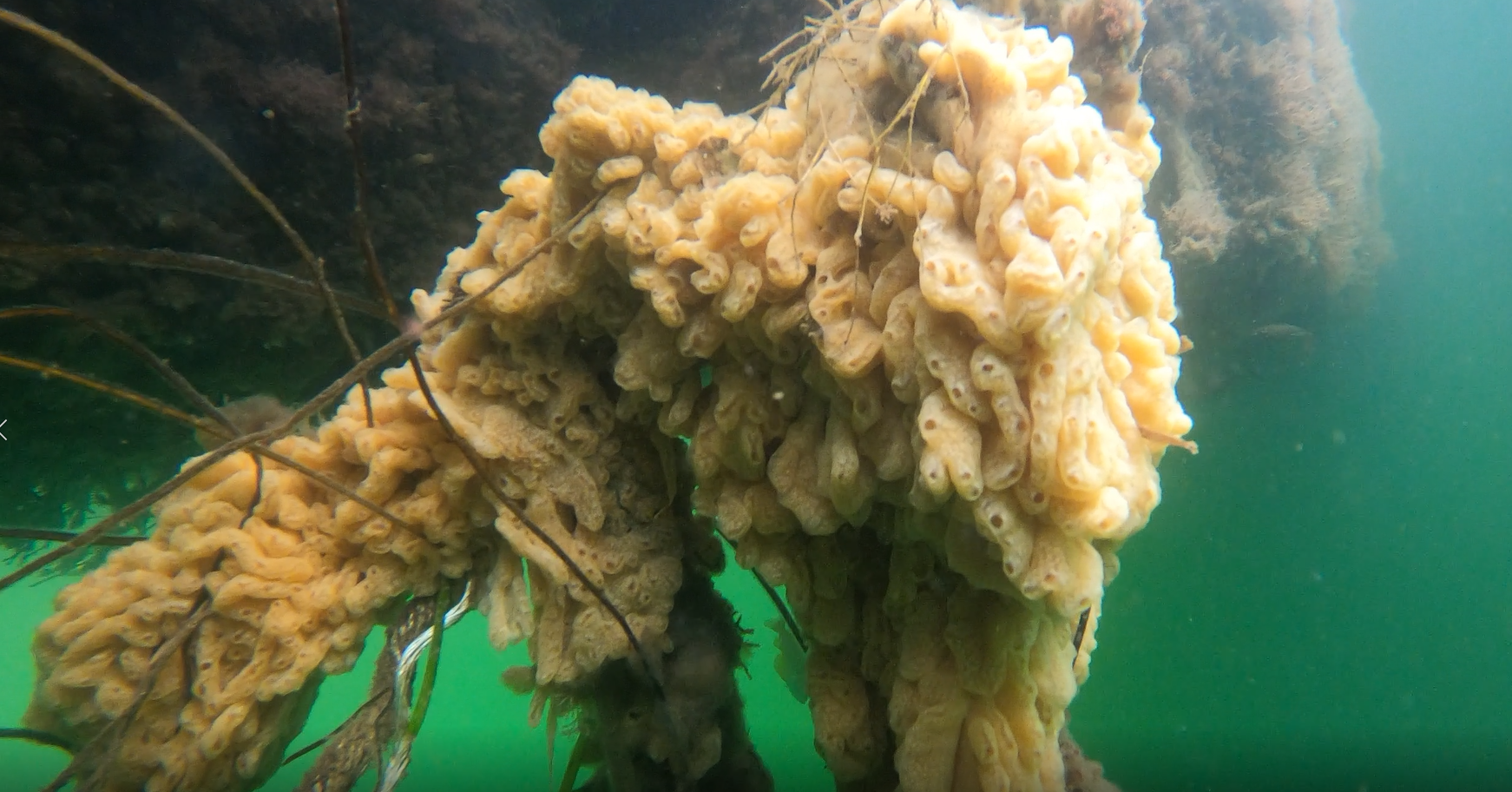
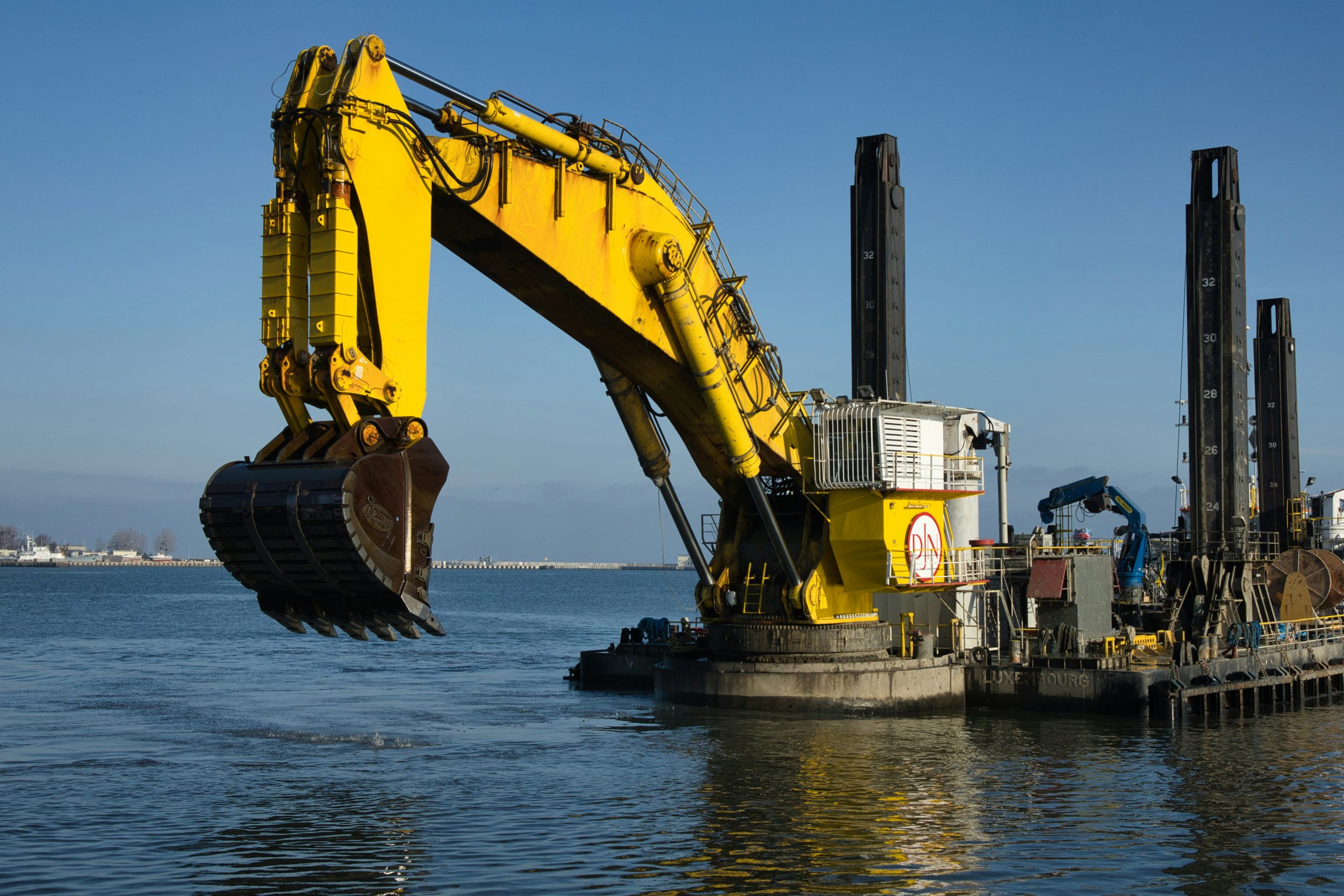
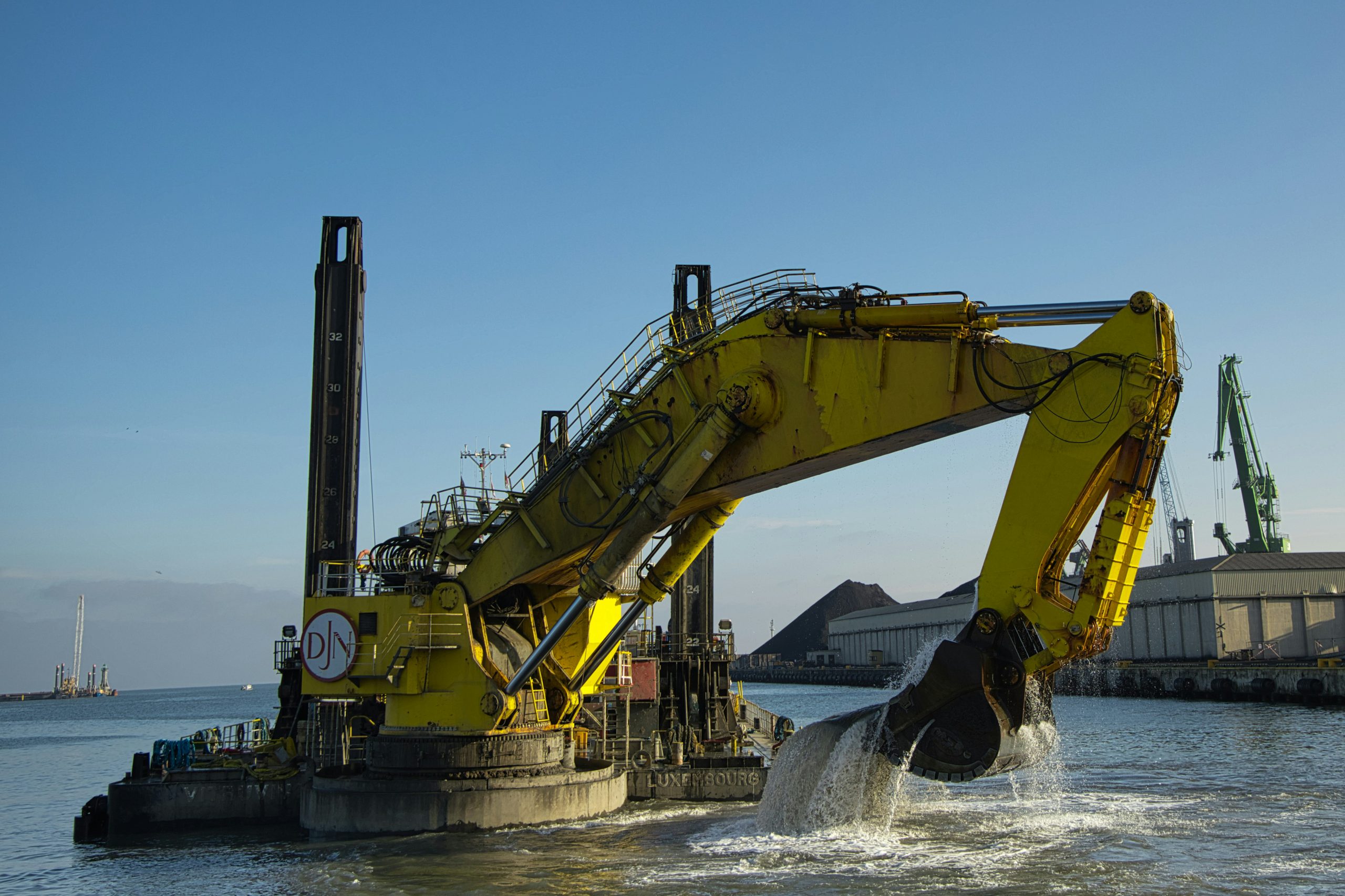
All images used in this case study are for illustrative purposes only and do not depict the project featured.
Delivering a robust and practical assessment required overcoming several challenges:
APEM Group brought together specialists from its INNS team, marine consultancy, and maritime advisory experts at NASH Maritime, a specialist consultancy within the Group, to deliver a comprehensive solution.
Evidence-led review
Pathway risk assessment
Biosecurity and mitigation framework
This approach combined scientific rigour with practical application, ensuring outputs could be used effectively by regulators and industry.
The project delivered measurable benefits for environmental management and regulatory decision- making.
Environmental outcomes
Commercial and regulatory benefits
Lasting value
This project helped to address a key evidence gap concerning the mechanisms by which navigational dredging and disposal activities could spread INNS and their potential risks to the marine environment. The report is a valuable output and has been shared with the ports sector through the UK Major Ports Group and the British Ports Association. We also continue to share it with our staff working on relevant projects within Natural England. The findings helped to consolidate Natural England’s sustainable development casework advice for dredging and associated disposal activities. We welcomed APEM’s approach to the project, the quality of the literature review and direct engagement with stakeholders, as well as the expert knowledge available within the team to develop the evidence.
Jan Maclennan – Senior Specialist (Marine recreation and Marine Invasive Species)
Natural England
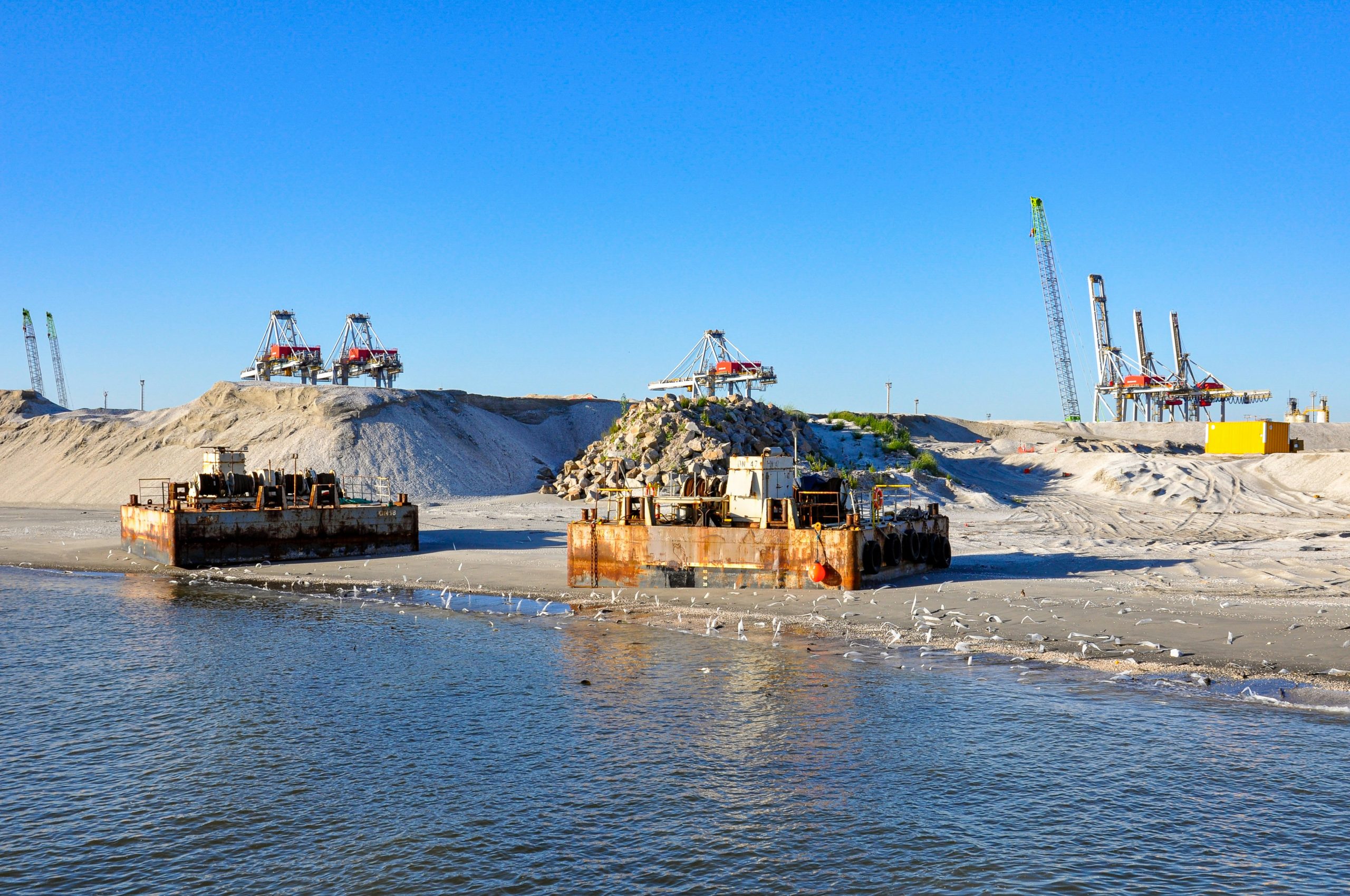
This project highlights how APEM supports sustainable marine development by combining ecological expertise with practical industry knowledge.
We help clients to:
Additional Support
APEM’s INNS specialists deliver tailored, evidence-based support across marine, freshwater, and terrestrial environments.
Our services include:
Our adaptive approach ensures that INNS management strategies remain effective as risks evolve. This helps reduce environmental impact while supporting efficient project delivery and long-term cost savings.
View the Natural England report here: https://publications.naturalengland.org.uk/publication/5042533200297984
Get hand-picked content from our subject matter specialists. Sign up to receive relevant updates, resources, and ideas that help you and your organisation.
We're here to help. Whether you're looking for tailored insights, support with a project, or just want to explore how we can work together, contact our team today.
APEM Group’s Marine Consultancy and Invasive Non-Native Species (INNS) teams collaborated with the Port of Cromarty Firth (PoCF) in Scotland...

Yorkshire Water asked APEM Group to consider the reliability of eDNA as a species detection method and how it could...
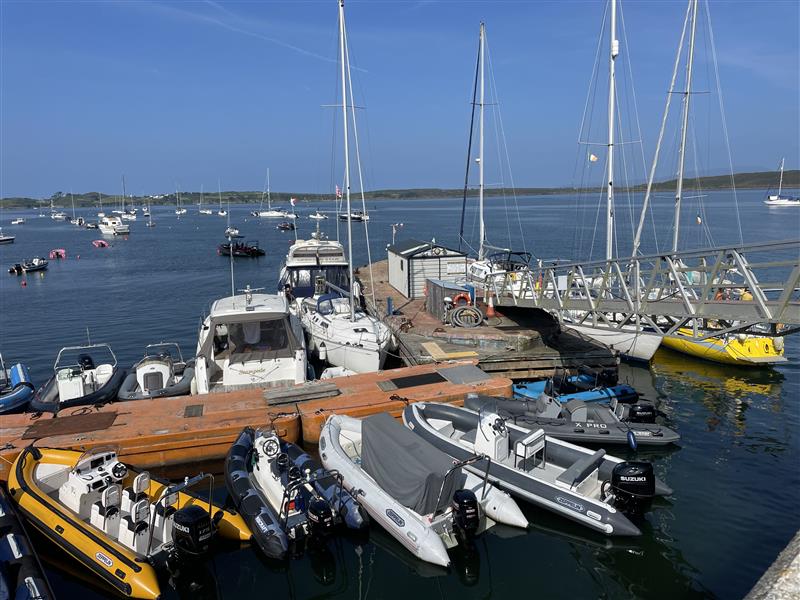
APEM Group was commissioned by Ireland’s National Parks and Wildlife Service (NPWS) to deliver a nationwide programme of marine invasive...