
Future-Proofing Vessel Traffic Services for the UK’s Busiest Port
NASH Maritime, part of APEM Group, supported the Port of London Authority (PLA) in developing a comprehensive specification for its next-generation Vessel Traffic...


APEM Ltd., part of APEM Group, was commissioned by Assystem Energy (on behalf of Gardiner & Theobald LLP) to assess the ecological impacts of a proposed bridge redevelopment at Dockside Canada Water, London.
The project involved replacing the existing Albion Bridge to support a wider regeneration masterplan. APEM’s role was to deliver aquatic ecology surveys to inform the Environmental Impact Report (EIR) to support the planning application, ensuring the project aligned with environmental regulations and protected the sensitive marine ecosystem within the dock.
The redevelopment of Dockside Canada Water is part of a broader urban regeneration initiative led by Art-Invest Real Estate UK (AIRE UK). The proposed bridge replacement required a detailed understanding of the dock’s aquatic ecology to ensure minimal disruption to marine habitats and species. APEM was brought in to provide expert ecological insight, building on a strong relationship with Assystem Energy through previous projects within Canada Water including aquatic ecology surveys and EIRs for previous developments.
Surveys conducted:
Standards followed:

The project presented several logistical and environmental challenges. Initial access points to the dock were found to be unsafe, requiring close collaboration with the client to identify alternative, secure launch sites for survey equipment. On-site, the team encountered floating vegetation and bird boxes, raising concerns about disturbing nesting birds. APEM worked with the client to arrange in-situ inspections, ensuring surveys could proceed without ecological disruption. Low water levels and unsuitable sediment for grab sampling also required adaptive planning, including the use of alternative sampling methods and locations.
APEM’s Marine Ecology, Field, and BioLabs teams worked closely together to coordinate and conduct a suite of aquatic surveys to characterise benthic communities and fish species, using standardised methods to ensure scientific accuracy and regulatory compliance. The Marine Ecology team authored the EIR, outlining potential ecological effects during construction and operation of the proposed development, including scoping mitigation measures to protect aquatic ecology receptors. The work was carried out in full alignment with CIEEM and NMBAQC standards.


Additional Support
APEM’s flexible and responsive approach ensured that all ecological data was collected safely and effectively, despite site constraints. The team’s ability to adapt survey methods and coordinate with stakeholders helped maintain project timelines and environmental integrity. This work provided essential baseline data to support the planning application and reduce ecological risk during development.
Supporting Sustainable Port Redevelopment
This case study demonstrates APEM Group’s expertise in supporting smaller-scale urban regeneration projects with robust ecological assessments of the aquatic environment. APEM’s work at Dockside Canada Water highlights the importance of protecting aquatic environments while enabling infrastructure upgrades to benefit the public.
Contact us to discuss our services.
NASH Maritime, part of APEM Group, supported the Port of London Authority (PLA) in developing a comprehensive specification for its next-generation Vessel Traffic...
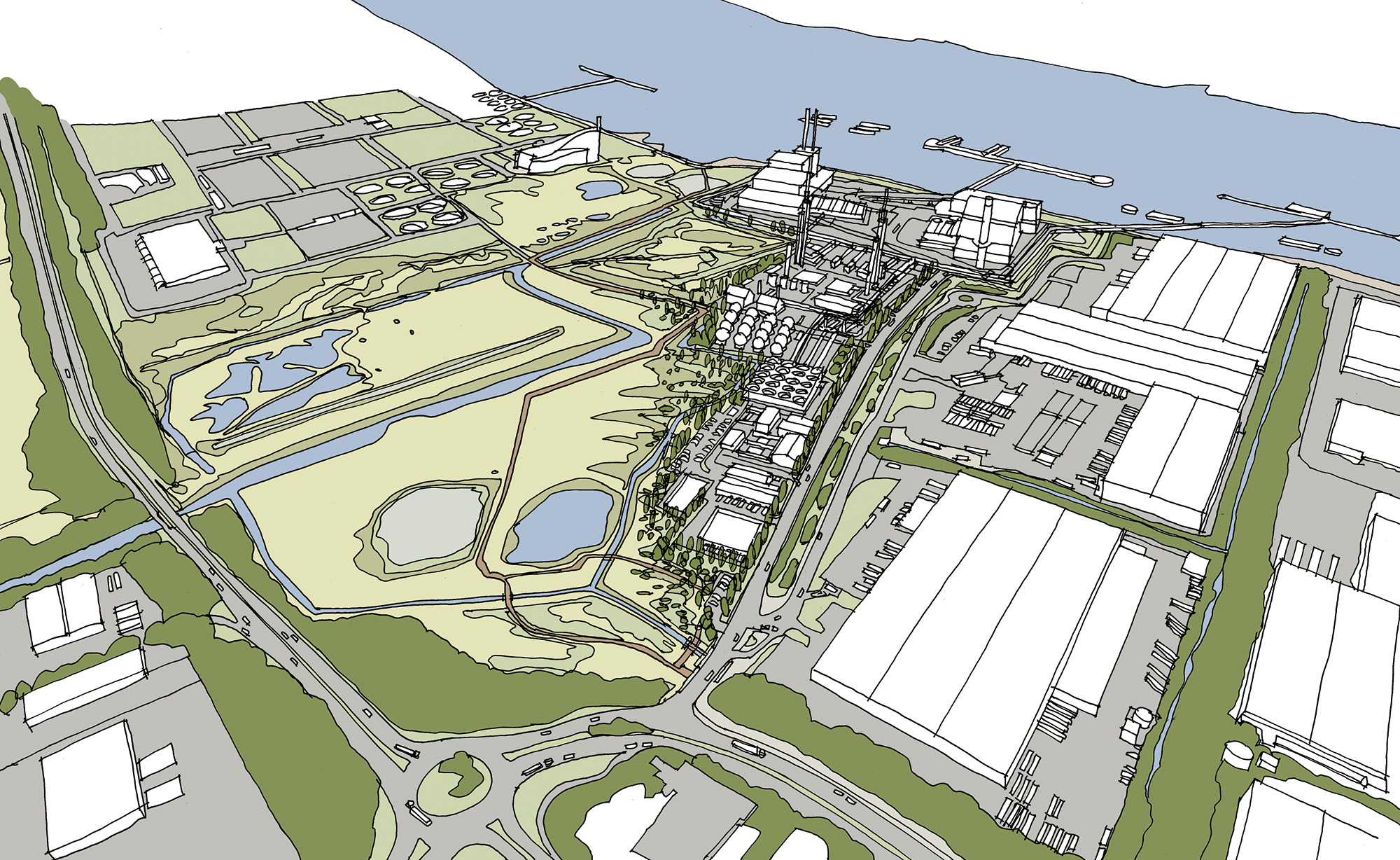
NASH Maritime, part of APEM Group, supported Cory Group’s ambition to become net zero by 2040 through its involvement in...

APEM Group’s Marine Consultancy and Invasive Non-Native Species (INNS) teams collaborated with the Port of Cromarty Firth (PoCF) in Scotland...