
Habitat survey and protected species survey calendars: timing is everything
APEM Group supports our clients to deliver sustainable development, protecting the natural environment and aiming to leave it in a...

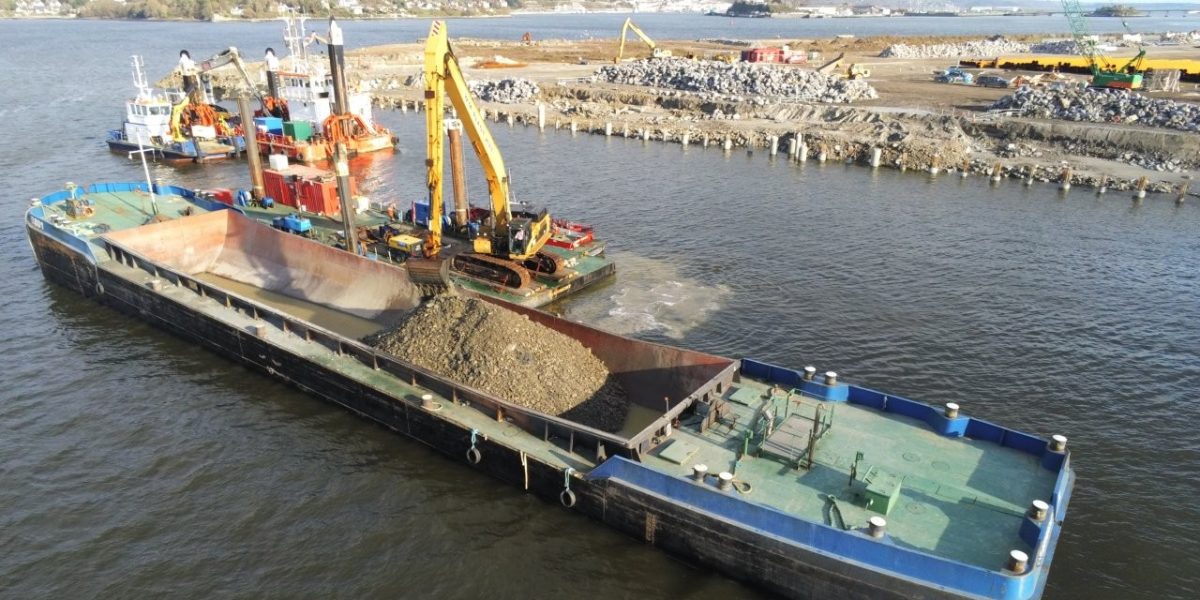
APEM Group, through AQUAFACT, supported the Port of Cork in developing a Benthic Habitat Reinstatement and Recovery Plan to meet a planning condition for capital dredging works at Ringaskiddy. Drawing on extensive experience in marine EIARs (Environmental Impact Assessment Reports), port developments, and licensing across Ireland, this project demonstrates how robust, evidence‑based marine ecology can enable sustainable port operations while protecting sensitive habitats.
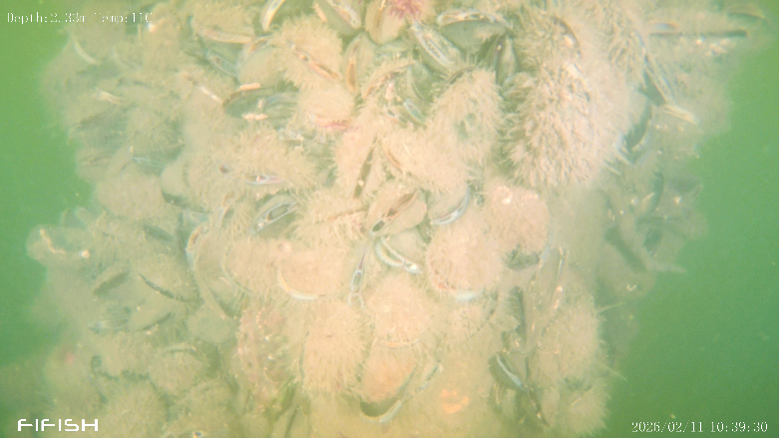
Ports and harbours play a critical role in economic growth, but balancing infrastructure development with marine biodiversity protection remains a key challenge. At Ringaskiddy, the Port of Cork required a scientifically robust plan to demonstrate how benthic habitats, particularly Mytilus edulis (blue mussel) beds, would be protected, monitored, and supported to recover following dredging.
AQUAFACT’s approach combined historical data, targeted survey work, and a KPI-driven recovery framework to deliver a proportionate, regulator-ready solution aligned with planning and licensing requirements set by An Coimisiún Pleanála.
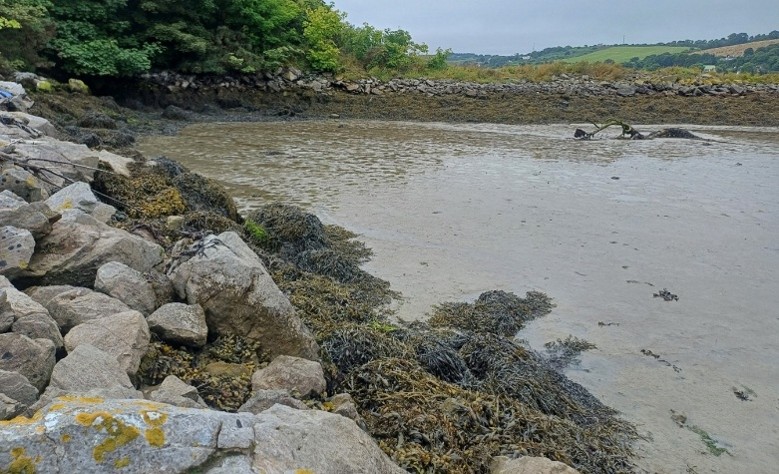
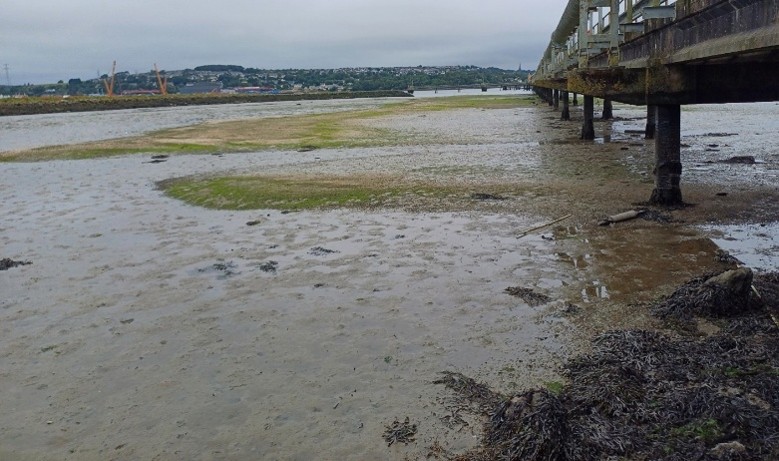
Dredging is essential to maintaining safe and efficient port operations, but it can pose risks to benthic habitats and water quality if not carefully managed. Regulators and port authorities increasingly require clear, evidence-based mitigation and recovery strategies to ensure compliance with environmental legislation and planning conditions.
At Ringaskiddy, particular attention was given to potential impacts on mussel beds, a habitat of ecological and commercial importance. The Port of Cork needed assurance that dredging could proceed without unnecessary restrictions, while still safeguarding marine biodiversity.
Monitoring and recovery:
Data integration:
Delivering a compliant and proportionate recovery plan required careful navigation of several challenges:
AQUAFACT, part of APEM Group, brought together marine ecologists, taxonomists, and EIA specialists to deliver a comprehensive and integrated solution.
Evidence-led assessment
Proportionate mitigation and monitoring
KPI-driven recovery framework
This integrated approach reflects APEM Group’s wider capabilities to support ports and harbours, combining high-quality ecological data, advanced analysis, and regulatory insight to enable sustainable marine infrastructure development.
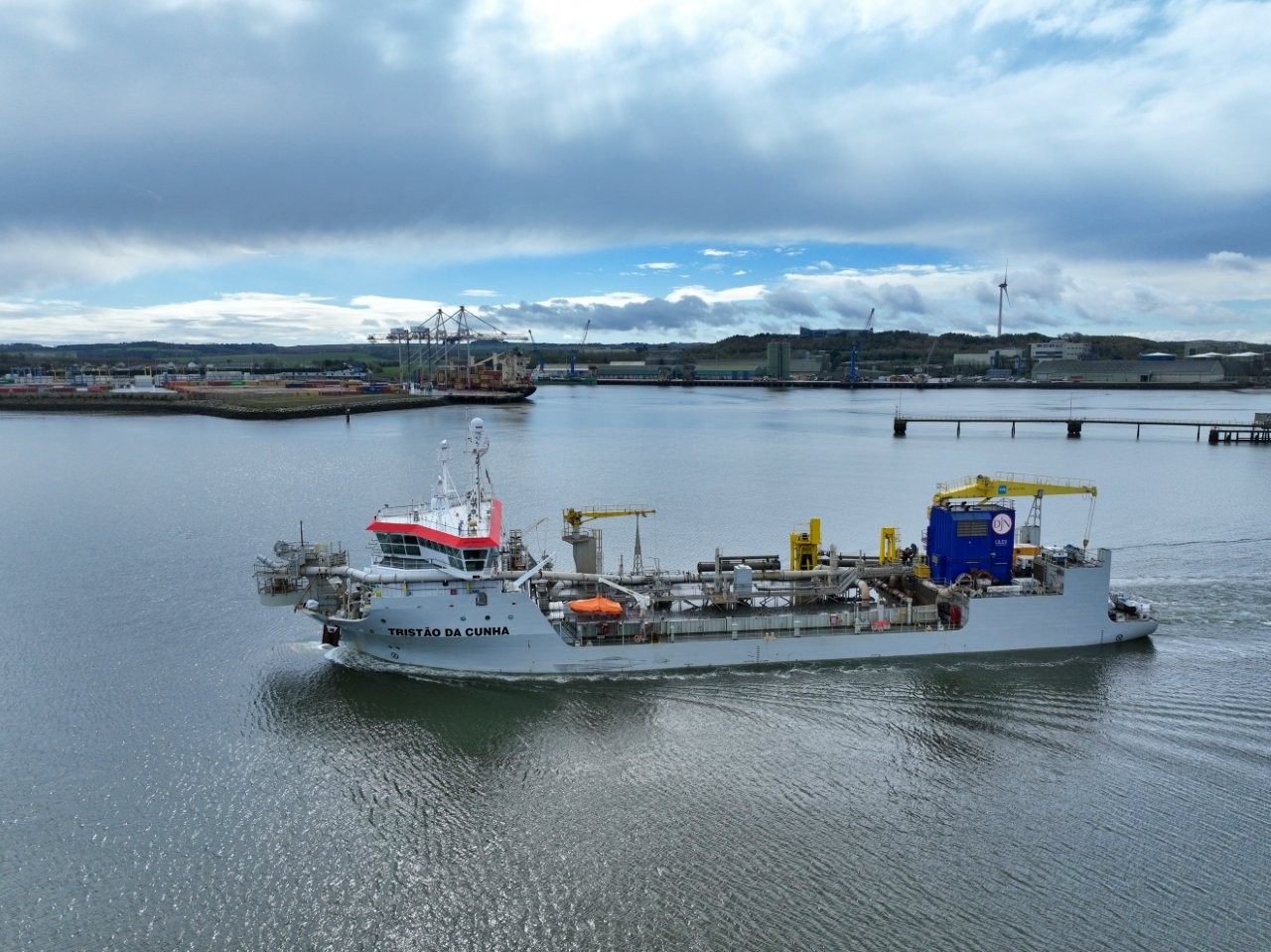
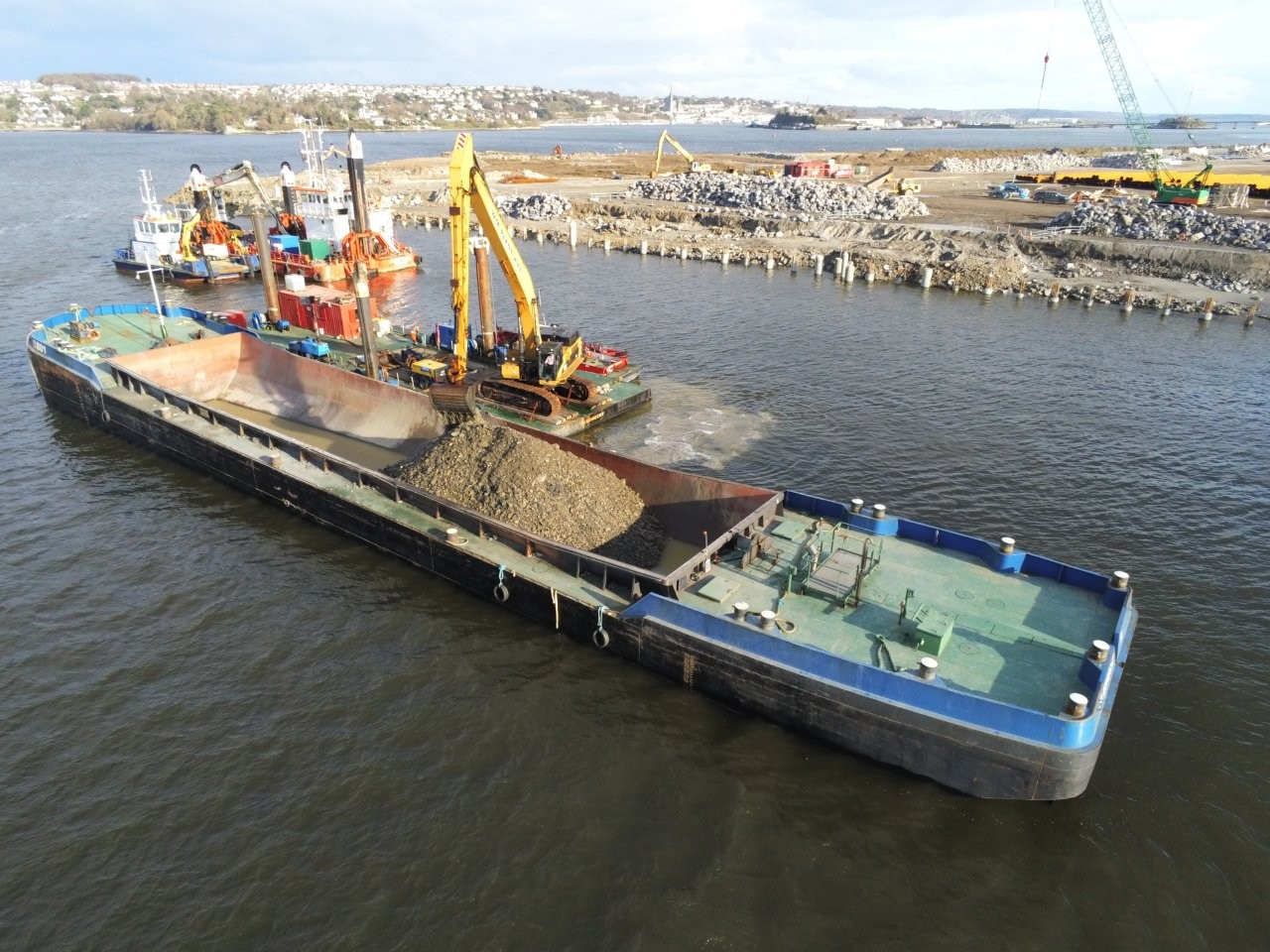
The project delivered both environmental protection and commercial confidence:
Environmental outcomes
Commercial and regulatory benefits
Lasting value
This project highlights how APEM Group supports ports and harbours in balancing operational requirements with environmental responsibility. By integrating robust survey data, advanced impact assessment, and adaptive monitoring frameworks, we help clients:
AQUAFACT’s collaborative approach ensured that mitigation and monitoring measures were both scientifically robust and operationally realistic. Measures included:
This ensured that habitats were not only protected during works but supported in their long-term recovery.
Get hand-picked content from our subject matter specialists. Sign up to receive relevant updates, resources, and ideas that help you and your organisation.
We're here to help. Whether you're looking for tailored insights, support with a project, or just want to explore how we can work together, contact our team today.
APEM Group supports our clients to deliver sustainable development, protecting the natural environment and aiming to leave it in a...
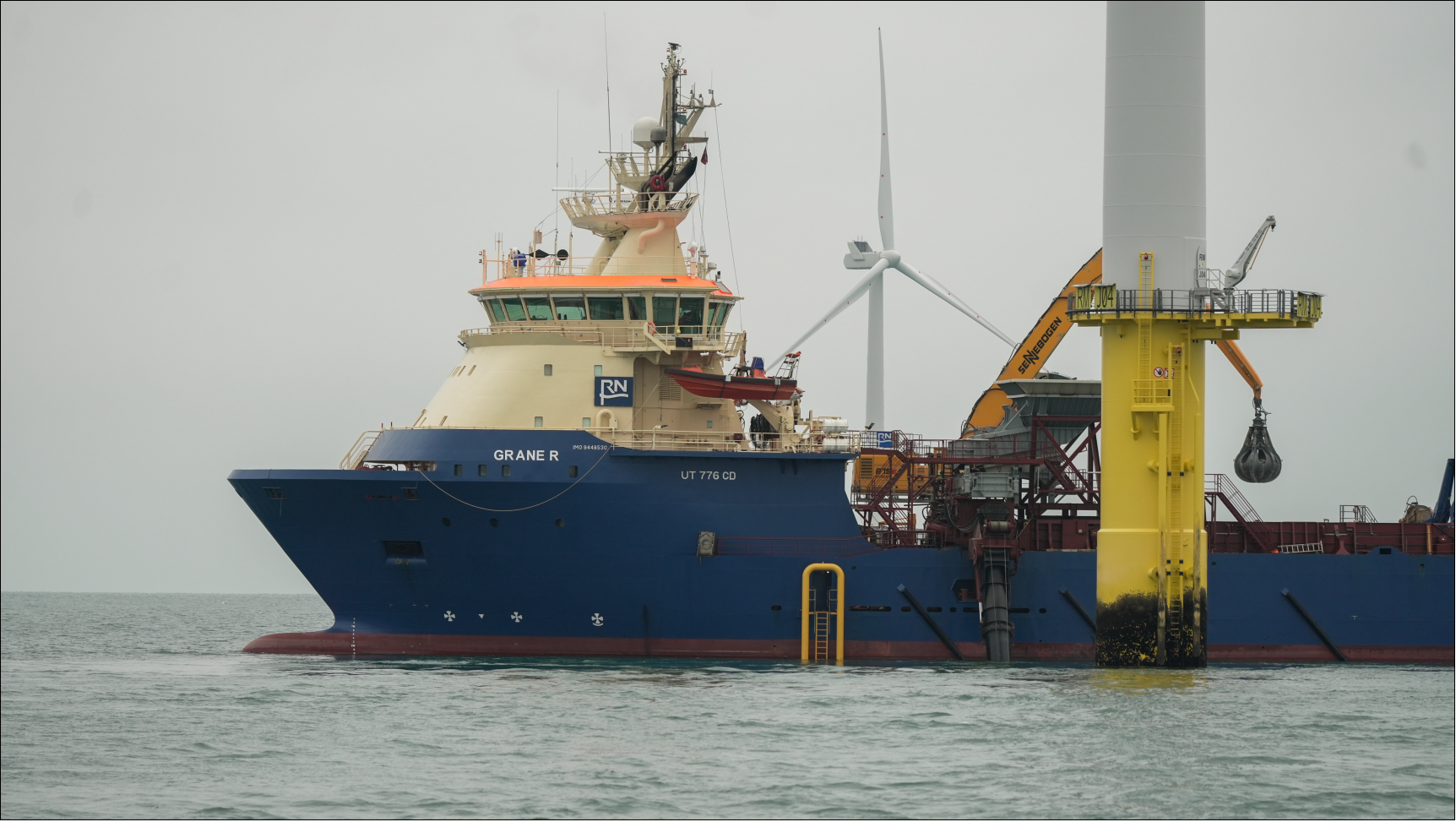
APEM Group supported RWE and ARC marine in delivering a pioneering nature-inclusive design solution at Rampion Offshore Wind Farm. Through our specialist brand, GoBe Consultants, our role was to provide...
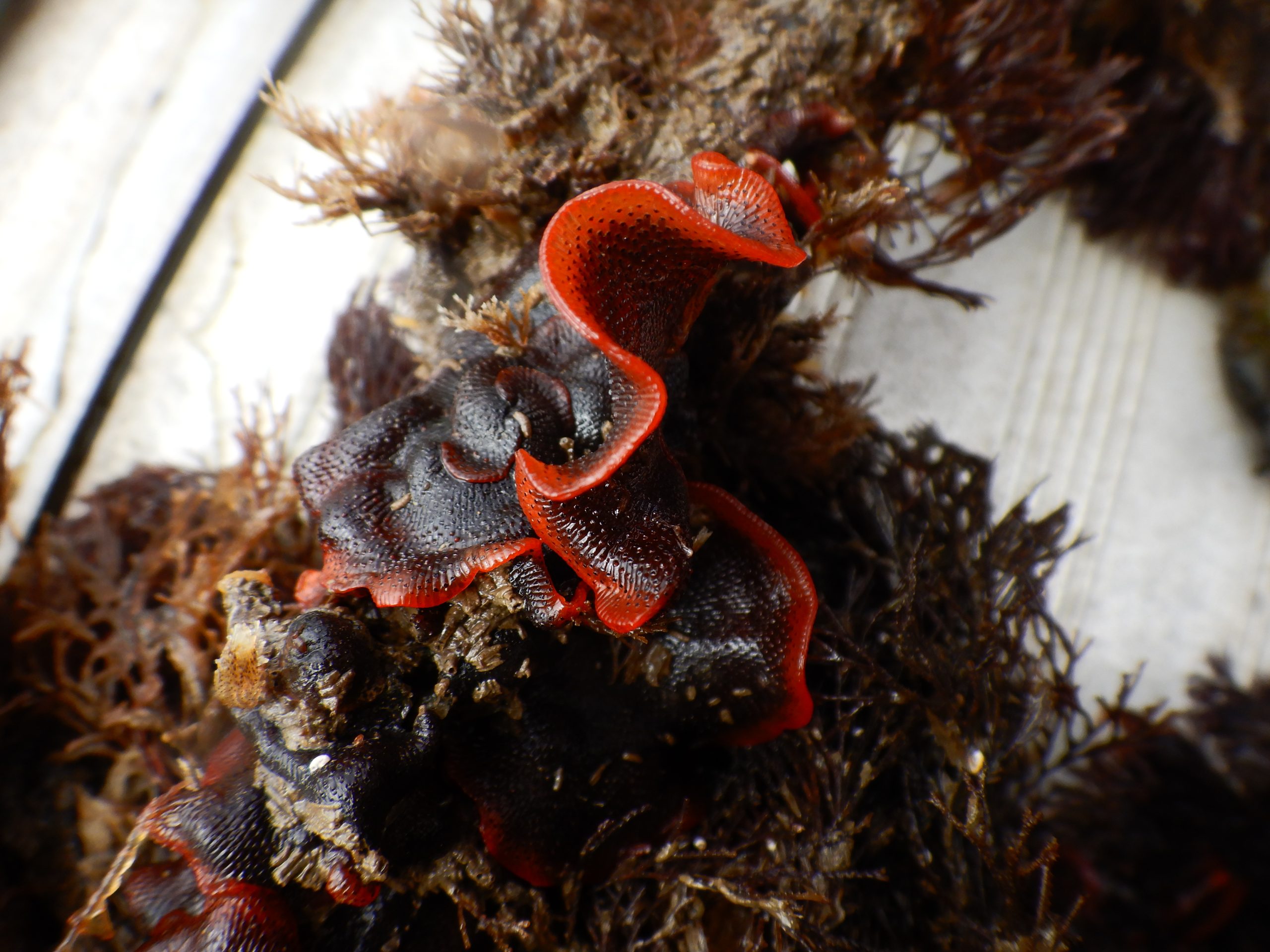
APEM Ltd., part of APEM Group, supported the development of the new Marine Biosecurity Plan created to protect the Stour...