
Future-Proofing Vessel Traffic Services for the UK’s Busiest Port
NASH Maritime, part of APEM Group, supported the Port of London Authority (PLA) in developing a comprehensive specification for its next-generation Vessel Traffic...


NASH Maritime, part of APEM Group, is supporting the development of the Ayre Offshore Wind Farm – a significant 1GW wind project located east of Orkney, Scotland. The project, initially led by Thistle Wind Partners (TWP) and owned by Qair, represents a major step toward Scotland’s renewable energy ambitions.
With the offshore consent application now under review by the Scottish Government’s Marine Directorate, NASH Maritime’s work has been instrumental in shaping a robust Environmental Impact Assessment (EIA) for shipping and navigation.
Ayre Offshore Wind Farm will deliver up to 1 GW of clean energy, enough to power over 1.2 million homes. As part of the EIA process, NASH Maritime provided specialist consultancy on Navigation Risk Assessment (NRA) and impact analysis for marine users, ensuring compliance with the Maritime and Coastguard Agency’s (MCA) Marine Guidance Note (MGN) 654 and working towards safe and sustainable maritime co-existence. Working alongside EIA lead Tetra Tech RPS Energy, NASH Maritime delivered a comprehensive assessment tailored to the unique challenges, including the potential use of floating wind technology.
The Ayre Offshore Wind Farm is considering floating wind turbines as its base case, which introduces additional and distinct navigational considerations compared to fixed foundations. Ayre’s location east of Orkney required careful evaluation of vessel traffic patterns, stakeholder concerns, and regulatory requirements. NASH Maritime’s role was to provide clarity on potential risks and outline proportionate mitigation measures to enable safe coexistence between maritime users and offshore infrastructure.
The preferred foundation type for Ayre’s turbines is floating with fixed foundations also being considered, introducing a combination of typical fixed and new floating-specific navigational hazards such as anchor spread moorings and potential loss of station / breakout. These complexities required a bespoke approach to risk assessment and stakeholder engagement.
NASH Maritime delivered an NRA aligned with MCA guidance and the International Maritime Organization’s (IMO) Formal Safety Assessment (FSA) framework. This included:
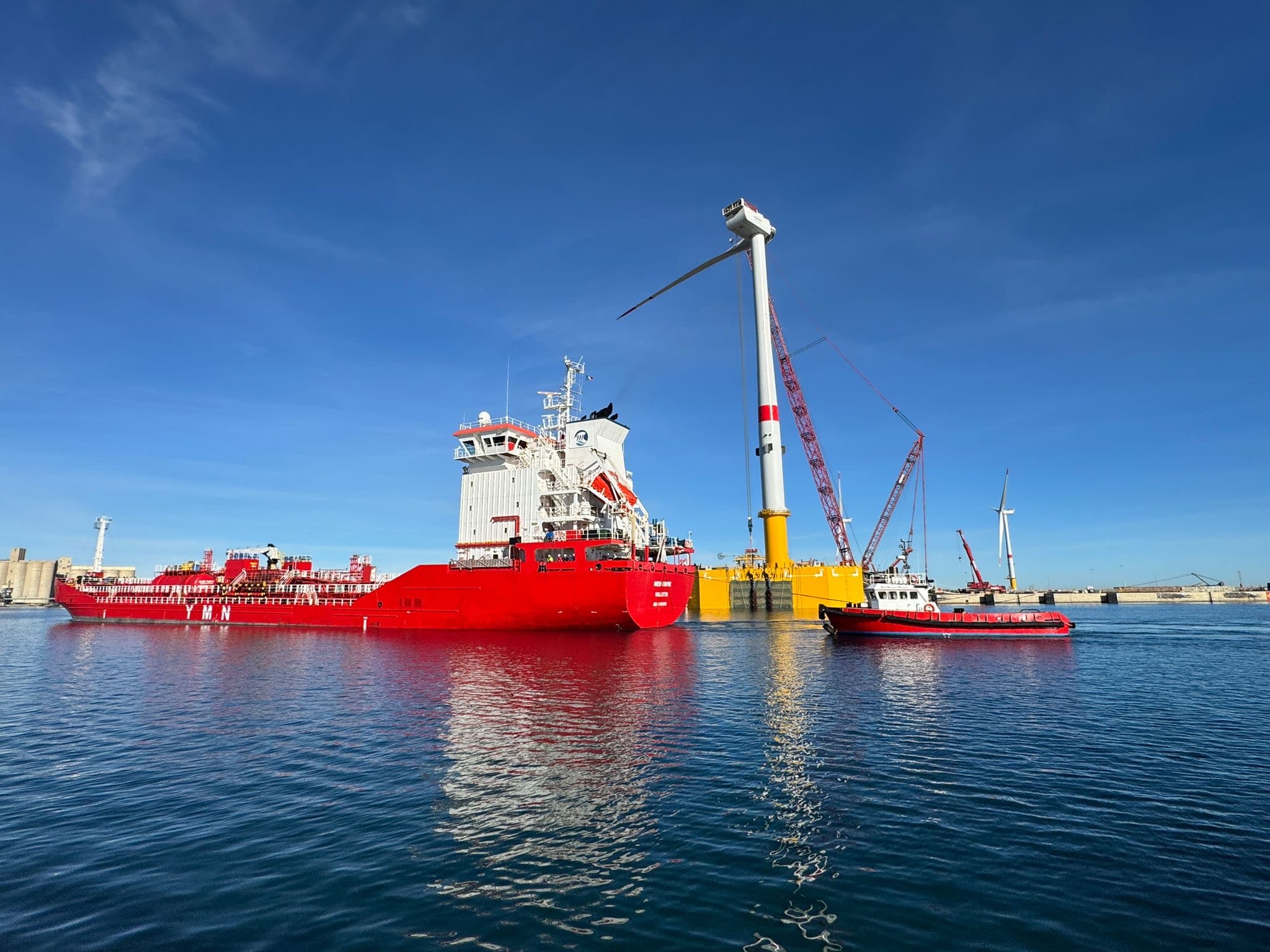
Our work provided the project with a clear understanding of navigational risks and mitigation requirements, positioning the project to meet regulatory expectations and maintain safe maritime operations during construction and operation phases.
“Floating wind introduces a completely new set of navigational considerations compared to traditional fixed foundations. For Ayre Offshore Wind Farm, our priority was to deliver a Navigation Risk Assessment that not only met regulatory standards but also reflected the realities of operating in busy waters east of Orkney. By combining detailed AIS data analysis, vessel traffic surveys, and collaborative stakeholder workshops, we’ve helped ensure that shipping and offshore wind can safely share the same space.”
— Brocque Preece, Principal Consultant – NASH Maritime
Get hand-picked content from our subject matter specialists. Sign up to receive relevant updates, resources, and ideas that help you and your organisation.
We're here to help. Whether you're looking for tailored insights, support with a project, or just want to explore how we can work together, contact our team today.
NASH Maritime, part of APEM Group, supported the Port of London Authority (PLA) in developing a comprehensive specification for its next-generation Vessel Traffic...
NASH Maritime, part of APEM Group, supported Cory Group’s ambition to become net zero by 2040 through its involvement in...

NASH Maritime, a specialist maritime consultancy within APEM Group, has been awarded a contract by Menter Môn Morlais to provide...